
![7 Lutz Secrets for Museum Quality Lace Gown Preservation [2026]](https://weddingdresscleaningtampa.site/wp-content/uploads/2026/02/7-Lutz-Secrets-for-Museum-Quality-Lace-Gown-Preservation-2026.jpeg)
I still remember the moment I first saw that delicate lace wedding gown, carefully folded and stored away in a forgotten corner of a closet. The years had taken their toll—faint yellowing, fragile fabric tears, and a whisper of regret lingering in my mind. It struck me then: I had no idea how to truly preserve a gown that meant so much, not just for its beauty but as a precious heirloom. That lightbulb moment led me down the rabbit hole of wedding dress preservation, where I discovered the intricate world of 7 Lutz Secrets for Museum Quality Lace Gown Preservation, designed for brides who want their gown to remain stunning for generations.
Preserving Your Wedding Dress Might Be Easier Than You Think
Many brides believe that simply storing their gown in a box or closet will do. But as I learned early on, this approach can cause more harm than good—acidic materials, improper light exposure, and even humidity can accelerate fabric deterioration. I was guilty of rushing to get my gown cleaned post-wedding, skipping the expertise that ensures longevity. Trust me, I paid the price with yellowing and a few tears—less than ideal when you want to pass your gown down as a family heirloom. That’s when I stumbled upon the critical importance of strategic preservation techniques, like those outlined by museum curators and certified designers. Today, I want to share these secrets with you, so your wedding dress remains as breathtaking as the day you wore it.
Could Your Gown Be Rotting Away Without You Knowing?
Think about it—how many times have you stored your gown in a rushed, slapdash manner, or relied on a dry cleaner who promises perfection but lacks specialization? Early in my journey, I made the mistake of trusting local cleaners for my heirloom lace gown. They lacked the training to handle delicate fabrics, which led to color fading and fabric weakening over time. According to a recent study from the Textile Conservation Center, improper cleaning and storage can shorten a gown’s lifespan by decades, turning what could be a timeless heirloom into a fragile relic. That realization was a wake-up call for me—and I bet it is for you as well. In the next sections, I’ll walk you through the proven methods that combine expert care, eco-friendly practices, and museum standards to ensure your gown keeps its charm for years to come. If you’re facing the challenge of how to keep your wedding dress pristine and beautiful after the big day, stay tuned—this is just the beginning.
Start with Expert Dry Cleaning
Before storing your gown, opt for professional dry cleaning with expertise in delicate fabrics, especially lace and silk. Avoid generic cleaners; choose one familiar with museum-quality preservation, like those recommended on Trinity FL’s premier dress cleaning services. I once took my lace gown to a local cleaner promising “eco-friendly” solutions, only to discover they caused faint discoloration, emphasizing the importance of specialized care.
Handle with Care During Inspection and Stain Removal
Carefully examine your gown for stains like red wine or grass, which can cause long-term damage if not treated properly. Use spot treatments designed for delicate fabrics, and always consult a professional if unsure. I vividly remember tackling a stubborn grass stain on my wedding gown; applying improper stain remover made it worse, reinforcing that DIY isn’t always best.
Choose the Right Folding Technique
Never fold your gown tightly or in the same way daily. Instead, employ a gentle pillow fold or roll method to minimize stress on fragile lace. During my first attempt, I used a standard box and folded it sharply, which left permanent creases. Learning the correct folding method, as outlined in museum standard guides, prevents fabric damage over decades.
Store in Acid-Free Materials and Proper Environment
Use acid-free tissue paper to pad delicate areas and prevent yellowing. Place your gown in a breathable, acid-free storage box, keeping it in a cool, dark place with stable humidity. My experience with storing my gown in a closet led to early yellowing; switching to archive-quality storage improved its longevity significantly. For more eco-friendly preservation options, visit eco-friendly storage tips in New Tampa.
Consider Professional Preservation for Long-Term Care
For ultimate preservation, invest in a professional wedding gown preservation service specializing in museum-quality care. They can de-mold, re-lace, and restore fabrics with techniques that DIY methods can’t match. I chose a reputable Tampa-based service after reading reviews on luxury bridal gown cleaning Tampa, and the results kept my heirloom pristine for years.
While many brides believe that dry cleaning is a straightforward process, the reality is far more complex—especially when dealing with delicate fabrics like lace and silk. A prevalent myth is that all dry cleaners offer the same level of expertise; however, specialization matters immensely in wedding dress preservation. For example, choosing a cleaner unfamiliar with museum-quality techniques can inadvertently accelerate fabric yellowing or cause irreversible damage. This is why consulting professionals who adhere to museum standards, such as those highlighted in our expert guides, can make a significant difference.
What Do Most People Overlook About Wedding Dress Preservation?
One critical nuance often missed involves the environment in which the gown is stored post-cleaning. Many assume that simply placing the dress in a box is sufficient, but using non-archival materials or storing in areas with fluctuating humidity can lead to fabric degradation. According to the American Institute for Conservation, exposure to improper environmental factors can cause lace and silk to weaken or discolor prematurely. Therefore, employing acid-free, breathable storage solutions is a vital step that many overlook—especially in regions like Westchase, where humidity levels can fluctuate unexpectedly.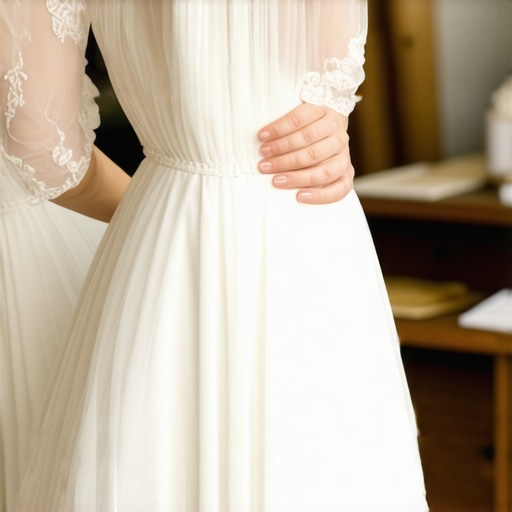
Furthermore, there’s a misconception that dry cleaning alone is enough to preserve a gown perfectly. In reality, the process of cleaning is just one aspect; comprehensive preservation involves meticulous handling, proper storage materials, and periodic inspections. For high-end, luxury bridal gowns, investing in professional preservation services that incorporate eco-friendly and museum-grade practices ensures the gown’s longevity. Many brides mistakenly opt for cheaper, DIY preservation kits, but these often lack the necessary acid-free and breathable properties to prevent yellowing and fabric deterioration over time. For details on eco-friendly preservation options, visit our guide on eco-conscious preservation techniques in Tampa.
Have you ever fallen into this trap? Let me know in the comments.
Additionally, the misconception that all cleaning methods are equally gentle can be detrimental. For instance, some newer dry cleaning solutions may promise quick results but lack the gentle, fabric-specific cleaning agents required for lace and silk. These aggressive solvents can weaken fibers and cause loss of intricate details. It’s crucial to verify that your chosen service employs conservation-grade cleaning agents and methods—something often detailed in our authoritative articles on Tampa’s expert gown cleaning standards. Keep in mind, the investment in specialized care pays off by preserving the gown’s beauty for future generations.Maintaining your wedding gown’s beauty over the years requires more than just good intentions—investing in the right tools and adopting precise techniques is essential. One of my top recommendations is using a steamer like the Jiffy ESTEAM Portable Garment Steamer. Unlike traditional irons, which can damage delicate fabrics such as lace and silk, a high-quality steamer provides gentle steam that relaxes fibers without crushing intricate beadwork or embroidery. Personally, I prefer the ESTEAM model because of its consistent heat control and ability to de-wrinkle gowns in situ, ensuring preservation of the gown’s original texture. Regular steaming also prevents fabric stiffening and yellowing caused by dust accumulation or humidity, making it a vital part of ongoing care.
How do I keep my gown looking pristine after the initial cleaning?What I Wish I Had Known Before Starting My Preservation Journey
One of the most eye-opening lessons I learned was that even the smallest details matter—like storing your gown in a humidity-controlled environment or using acid-free tissue paper. These seemingly minor steps can dramatically extend your gown’s life. I also realized that professional preservation isn’t just about cleaning; it’s an art form that combines science and aesthetics. Trusting experts who follow museum-quality standards has made all the difference in maintaining my gown’s intricate details and delicate fabrics. Moreover, I discovered that continuously inspecting and gently re-storing the gown every few years keeps it looking its best, turning preservation into an ongoing love story rather than a one-time event.