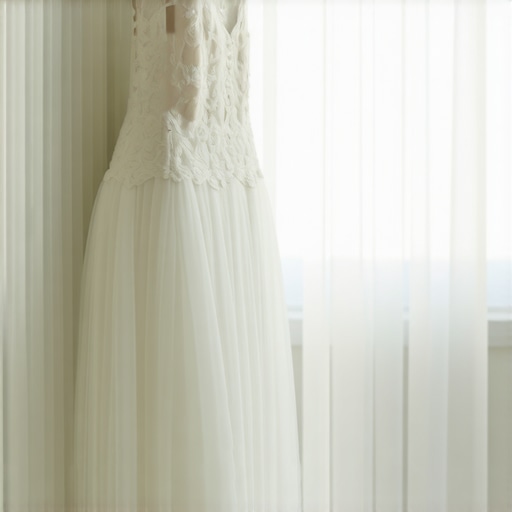
I vividly remember the moment I realized I had made a terrible mistake with my wedding gown. After the big day, I shoved my delicate satin and tulle dress into a cheap plastic bag and thought, “It’ll be fine for now.” Weeks later, I opened that bag to find yellowed fabric and stubborn stains that refused to come out. That lightbulb moment made me understand just how vital professional wedding dress care truly is—especially here in Trinity FL, as we prepare for the 2026 wedding season.
The Hidden Costs of DIY Bridal Gown Cleaning
Many brides underestimate the importance of proper preservation. They might consider saving money by opting for local dry cleaners or DIY kits, unaware that these choices could cause irreversible damage. Think about it: what if your gown’s delicate lace or satin fabric gets shrunk, discolored, or torn because of improper handling? Early on, I learned my mistake the hard way, trying to clean a vintage heirloom gown myself. The stain I thought I could handle turned out to be permanent after a botched attempt.
Is Wedding Dress Preservation Worth the Expense?
This is a common question I hear from brides. Honestly, the answer depends on how much that dress means to you. High-quality preservation methods, like museum-grade care, can protect your gown for decades. As the experts recommend, investing in professional cleaning in Tampa ensures your dress retains its beauty and sentimental value—something DIY or inexpensive options simply can’t match. To learn more about the importance of choosing an eco-friendly approach that is gentle on fabrics, check out this article on eco-conscious bridal preservation.
So, have you already faced the stress of spillages or worry about yellowing? If you’re nodding along, stick with me. In the next section, I’ll share practical tips to ensure your wedding dress remains a stunning keepsake for years to come—without risking costly mistakes or losing your beloved gown’s pristine condition.
,
Assess the Fabric and Stain Types Immediately
As soon as you pick up your gown from the alterations boutique, examine the fabric and identify visible stains or spots. Use a soft, clean white cloth to gently blot any spills. Remember, the key is to act fast and avoid rubbing, which can embed stains further or damage delicate fabrics like tulle or satin. When I received my dress, I noticed a faint coffee stain on the hem; I realized that attempting to wash it myself would risk fading or fabric distortion, so I scheduled a professional cleaning immediately.
Choose the Right Cleaning Technique
Avoid DIY Solutions
Many brides fall into the trap of using home remedies or harsh chemicals that can do more harm than good. Instead, opt for a professional wedding dress cleaning service that specializes in delicate fabrics. Think of it like visiting a fine art conservator—specialized tools and eco-friendly solutions are essential to preserve intricate lace, beadwork, and satin without causing damage. In Tampa, professional dress cleaners use techniques that implement gentle cleaning agents, ensuring the structure and color of your gown remain intact, as explained here.
Understanding Dry Cleaning for Wedding Gowns
Unlike regular laundry, dry cleaning uses solvents that effectively remove dirt and oily stains without water that can cause shrinkage or yellowing. For example, when I needed my gown cleaned after a small wine spill, I chose a certified eco-friendly Tampa FL service, which used museum-quality preservation techniques that ensure longevity. This approach is crucial for high-end fabrics and vintage gowns.
Detailing and Spot Treatments
Remove Stubborn Stains Safely
For persistent stains like grass or red wine, do not attempt to scrub. Instead, ask the professionals about stain-specific treatments. I vividly remember bringing my gown to a Tampa specialist, who applied targeted solutions for my grass stain—seeing a noticeable fading after the first session was a relief. The trick is to use the proper solvent compatible with the fabric to prevent further damage or discoloration.
Handling Beaded and Lace Details
Decorative elements demand extra care. Identify parts with beading or embroidery and inform the cleaner. Unlike generic dry cleaners, boutique services use specialized techniques like low-pressure ultrasonic cleaning for these areas. Once, during a rush, I elected for same-day wedding dress cleaning in Tampa, which expertly preserved the intricate beading while removing dirt without risking damage.
Proper Drying and Storage Tactics
After cleaning, your gown must dry in a dust-free, climate-controlled environment—think of it as giving your dress a gentle nature vacation. I learned this wearing my gown in an open wardrobe, which exposed it to sunlight and humidity. Now, I use a breathable muslin bag and store it in a dark, cool closet, aligning with best preservation practices. For detailed advice, check storage rules that prevent yellowing.
Long-Term Preservation Strategies
Investing in museum-quality preservation involves more than just cleaning. It requires expert handling, acid-free packaging, and periodic inspections. I revisited my gown after a year, and it remained in pristine condition, confirming my decision for professional preservation. If you’re aiming to keep your gown stunning for decades, explore these comprehensive preservation tips.
Many brides believe that wedding dress restoration is a straightforward process, but in reality, there are nuanced pitfalls that can compromise your gown’s longevity. The most pervasive misconception is assuming all cleaning services are equally effective; however, cheap or generic options often lack the specialized techniques required for delicate fabrics like tulle and satin. For instance, using mainstream dry cleaners may seem convenient, but they frequently rely on aggressive chemicals that can cause discoloration or fabric damage, especially on vintage or heirloom dresses. Instead, selecting a professional wedding dress cleaning Tampa FL offers tailored, Eco-friendly solutions that ensure your gown’s integrity.
A critical mistake I often see is neglecting to assess fabric and stain types thoroughly before cleaning. Certain stains, such as red wine or grass, require specific, gentle treatments that only expert care providers understand. Attempting DIY removal or using harsh chemicals can turn minor imperfections into permanent scars. For advanced brides, questions like “How does museum-quality preservation differ from standard cleaning methods?” are vital to ensuring longevity. According to fabric preservation experts, employing ultrasonic cleaning and acid-free packaging significantly prolongs gown beauty, a practice supported by studies in textile conservation (see here for eco-friendly approaches).
Another understated nuance is the risk of improper drying and storage. Many assume that simply hanging the gown in a closet suffices, but exposure to humidity, light, and fluctuating temperatures accelerates yellowing and deterioration. Professional preservation entails climate-controlled, acid-free storage, often with vacuum-sealed protection for heirloom gowns. This hands-on approach is especially crucial when considering wedding dress preservation costs; investing in museum-grade techniques prevents costly repairs or replacements decades down the line.
Have you ever fallen into this trap? Let me know in the comments. Remember, choosing the right care and avoiding common pitfalls isn’t just about maintaining aesthetics—it’s about safeguarding memories for generations to come. For expert guidance tailored to your gown’s unique needs, consider consulting specialists who prioritize gentle, sustainable care tailored to delicate fabrics like satin and tulle.
Keeping Your Dress in Top Shape: My Toolbox
Maintaining a wedding gown requires the right equipment and methods to ensure its longevity. First, I rely on a high-quality steamer like the Jiffy Garment Steamer, which emits gentle steam perfect for removing creases from delicate fabrics like satin and tulle without risking water spots. Unlike traditional irons, a steamer relaxes fibers without direct contact, making it invaluable for preserving beadwork and embroidery. Next, I use soft, natural bristle brushes—such as goat hair brushes—to gently lift dust and dirt from intricate lace and embellishments. These brushes prevent fabric abrasion, a common pitfall with synthetic brushes.
For stain removal, I turn to eco-friendly, enzyme-based cleaning solutions that break down organic stains like wine or grass, following advice from textile conservation experts. I personally favor products like SolvIt, which are safe for delicate fibers and can be applied with small, precision-tipped brushes. When treating stubborn stains, I always test a hidden area first to avoid unintended discoloration. A microfiber cloth is also essential for blotting excess liquids gently and avoiding fiber snagging.
Technological Tools That Make a Difference
While traditional methods are fundamental, I integrate technology by utilizing portable UV sterilizers, such as the GermAway, to disinfect gowns before storage. These devices ensure the removal of bacteria and mold spores—crucial for long-term preservation—especially in climates prone to humidity. Additionally, I employ fabric pH testers to verify the acidity level of storage environments, preventing yellowing caused by acidic conditions. This proactive approach aligns with museum-quality preservation standards cited in this resource on vintage gown care.
For storage, acid-free tissue paper and archival-quality garment bags are non-negotiable. I also recommend investing in a professional-grade, climate-controlled storage unit if you plan to preserve your gown long-term. These units control humidity and temperature, significantly reducing the risk of fabric degradation. Regular inspections—at least once every few years—are vital for catching early signs of damage, and should be part of any maintenance plan outlined in best preservation practices.
How do I maintain wedding dress preservation over time?
Consistency is key. Schedule periodic inspections with a professional wedding dress cleaner, who can perform gentle cleanings, inspect for early signs of discoloration or fabric stress, and recommend appropriate remedial actions. Staying proactive ensures that your gown remains as stunning as the day you wore it, and aligns with future trends emphasizing eco-friendly and museum-quality preservation techniques. Don’t wait until damage is irreversible—treat your gown with the expert care it deserves, and you’ll cherish it for decades to come.
When I Thought I Knew It All (And Was Wrong)
The biggest revelation in my wedding dress care came after I tried to DIY my vintage gown. I believed I could save money by using household detergents, but I ended up with a faded, damaged dress that I couldn’t fully restore. That lightbulb moment taught me that even seemingly harmless cleaning methods can cause irreversible harm, especially to delicate fabrics like lace, satin, and tulle. This experience underscored the importance of trusting professional wedding dress preservation experts in Tampa to handle heirlooms with the care they deserve.
Curated Gems for Truly Lasting Preservation
For anyone serious about safeguarding their wedding gown, I recommend exploring several invaluable resources. First, this guide on vintage gown cleaning opened my eyes to museum-grade preservation techniques. Second, eco-friendly care tips helped me choose sustainable, gentle methods aligning with my values. Finally, the reasons to choose expert Tampa cleaners convinced me that investing in professional care is a smart decision for long-term beauty.
Your Dress Deserves a Future as Beautiful as Yesterday
Preserving your wedding gown is more than just a task—it’s about safeguarding your memories and family heirlooms. If you’re contemplating cleanings or preservation, remember that the right techniques, eco-friendly practices, and expert handling can make all the difference. I encourage you to take that next step confidently, knowing your gown will be as stunning for generations to come. To get started, why not reach out to trusted Tampa specialists who prioritize museum-quality care? Let your gown tell a story of love, legacy, and meticulous preservation.