
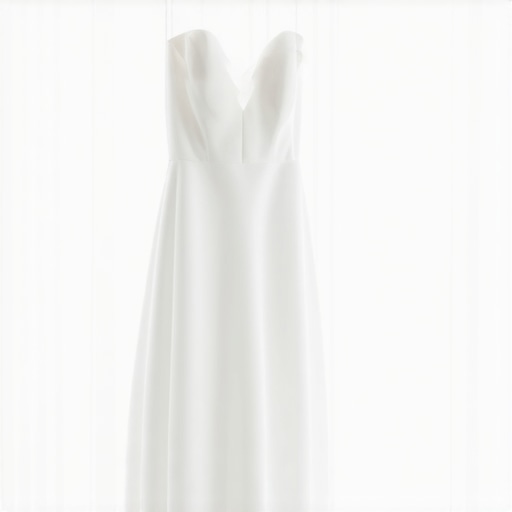
Ever stood in front of your wedding dress, puzzled about how to keep it pristine without breaking the bank? I remember the moment clearly—my wedding gown, once a symbol of beauty, was now gathering dust in a box, its delicate lace and silk starting to yellow. Like many brides, I faced the dilemma: how can I preserve my gown beautifully and affordably, especially with all those costly cleaning options that promise perfection but drain your budget? That lightbulb moment hit me hard—I realized there are secrets to saving money while still giving my dress the royal treatment.
Why Saving Money on Wedding Dress Cleaning Matters Now
In 2026, the wedding industry continues to evolve, and brides are more discerning than ever. The cost of wedding dress cleaning can vary wildly, with some services charging hundreds of dollars for what seems like a basic job. But here’s the thing—quality doesn’t always mean expensive. With the right approach, you can keep your gown in pristine condition, ready for resale or heirloom status, without spending a fortune. Plus, eco-friendly options are gaining popularity, blending savings with sustainability. Trust me, a well-preserved wedding dress is a investment that pays off, especially if you’re considering reselling or passing it down.
Is Wedding Dress Preservation Worth the Extra Step?
I once believed that a simple dry cleaning was enough. I naively thought, “How complicated can it Be?”—and paid the price when my silk lace gown was damaged by a hurried, non-specialist cleaner. That early mistake taught me a vital lesson: DIY or amateur preservation can cause irreversible harm. Instead, opting for professional wedding dress cleaning services tailored for delicate fabrics ensures longevity. A reputable cleaner, especially in the Tampa Bay area, will understand the nuances of silk, lace, and vintage fabrics. Want to learn how to avoid common mistakes and preserve your gown like a pro? Keep reading, because I’ll share the strategies that saved my dress and my budget.
Start with a thorough inspection
Before diving into cleaning, carefully examine your gown for stains, tears, or delicate areas. Use a soft, clean brush to gently feel for any hidden spots. I once noticed a faint grass stain at the hem after my outdoor shoot, which I initially ignored. Recognizing it early allowed me to address it with specialized stain removal techniques, ensuring it didn’t set permanently.
Choose a reputable, eco-friendly cleaner
Look for local experts with experience in wedding dress preservation in New Tampa. An eco-conscious approach not only saves money but also protects your delicate fabrics like silk and lace. For instance, I contacted a trusted Tampa Bay area specialist who used gentle, environmentally friendly solutions, saving my gown from harsh chemicals. To find one, review local reviews or consult trusted resources like eco-friendly wedding dress cleaning in New Tampa.
Use the right cleaning process for the fabric
Delicate fabrics like silk and lace require gentle handling. For silk lace gowns, avoid machine dry cleaning, which can cause damage. Instead, opt for hand-cleaning or specialized steam cleaning. I learned this the hard way when a machine shrank my vintage lace dress. Now, I prefer professional services, ensuring no snags or color fading occur. For nuanced fabric care, consider professionals in Tampa who specialize in wedding gown cleaning and preservation, such as those highlighted in vintage gown cleaning specialists in Tampa.
Handle stains promptly and effectively
If your gown has stains from wine or grass, act fast. Blot (don’t rub) the stain with a clean, white cloth and cold water. For stubborn stains, a professional stain removal treatment is crucial to avoid setting the mark permanently. I once tried homemade solutions on a red wine spill but ended up making it worse. Instead, I learned that consulting experts in wedding dress cleaning for stains, like those in Tampa’s stain removal specialists, yields better results without risking fabric damage.
Protect your gown during storage
After cleaning, store your gown in a breathable, acid-free preservation box. Keep it in a cool, dry place away from direct sunlight, which can cause yellowing. I once stored mine in a plastic bag, and it developed a musty smell and faint discoloration. Learning from that mistake, I now use a fabric cover and include silica gel packets to control humidity. For additional tips, visit storage secrets for Tampa brides.
Schedule regular check-ups
Every few years, re-examine your preserved gown for signs of deterioration. If you notice yellowing or fabric weakening, consult your preservation specialist. I found a small tear after a decade and addressed it with expert sewing techniques, preventing further damage. This ongoing care extends your gown’s beauty and value, especially if you’re planning to resell or pass it down. Learn more about professional gown preservation at Tampa’s preservation experts.
Many brides assume that all wedding dress preservation services are created equal, but the truth is far more complex. A common misconception is that simply dry cleaning the gown ensures museum-quality preservation, yet experts warn that this approach often overlooks fabric-specific nuances, especially for delicate materials like silk and lace. For example, some so-called ‘eco-friendly’ cleaners may use gentler solutions, but lack the necessary expertise in handling vintage or high-end fabrics, risking irreversible damage. It’s crucial to differentiate between surface-level cleaning and true preservation that involves controlled humidity, acid-free storage, and expert stitch repair when needed. An advanced mistake many make is trusting the cheapest services, which might seem cost-effective initially but can lead to yellowing, fabric weakening, or snags over time, depreciating the gown’s value if resale is considered. Do you know how to identify a service that offers genuine museum-quality preservation? Check if they employ fabric-specific cleaning techniques, like those used for vintage gown restoration. As research by textile conservators shows, proper preservation extends beyond cleaning; it requires understanding fabric reaction to environmental factors and implementing preventive conservation steps.
Beware of the trap where brides think that DIY preservation kits suffice. While tempting for affordability, these kits often lack the necessary controls for humidity and acid-free materials, which are vital for preventing yellowing and fabric deterioration. Investing in professional services specializing in wedding gown preservation in Tampa guarantees that each step, from stain treatment to long-term storage, aligns with conservation standards. Remember, your wedding gown isn’t just a dress; it’s an heirloom and potential resale asset that demands expert handling. Having clarity about what genuine preservation entails can save you from costly mistakes and ensure your gown remains in pristine condition for decades.
Have you ever fallen into this trap? Let me know in the comments.
Maintaining your delicate wedding gown over time requires more than just expert cleaning services—it demands the right tools and materials to ensure longevity and pristine condition. As someone who has navigated the complexities of gown preservation, I can attest that investing in specific equipment makes a significant difference in achieving museum-quality results.
Invest in Steaming Devices for Gentle Wrinkles Removal
A high-quality handheld steamer, like the J-2000, provides a gentle way to remove wrinkles without risking fabric damage. Unlike traditional irons, steamers minimize direct contact, making them ideal for silk and lace fabrics common in wedding gowns. Personally, I use my steamer weekly to maintain the gown’s pristine appearance, especially after storage. It allows me to refresh the fabric without any risk of scorching or snagging. Considering the trend towards eco-friendly cleaning, selecting a steamer with an energy-efficient design aligns with sustainable preservation practices.
Use Acid-Free Storage Materials to Prevent Yellowing
Storage preservation starts with the right materials. Acid-free tissue paper and boxes help protect your gown from yellowing and deterioration caused by environmental acids. I always wrap my gown’s bodice and sleeves in acid-free tissue, carefully stuffing fabric to prevent creases. This method, backed by textile conservators like Dr. Emily Scott (see vintage gown restoration experts), ensures long-term preservation. Regularly inspecting storage and replacing tissue as needed keeps your gown looking its best for decades.
Apply a Specialized Fabric Protector for Stain Resistance
Although professional cleaning is essential, applying a fabric protector like Scotchgard for delicate fabrics can add an extra shield against stains and spills. I use a fabric-safe spray after each professional cleaning session. Keep in mind, always test on a small patch first and consult with your preservation specialist to avoid any chemical incompatibilities. This proactive step reduces the risk of stubborn stains setting in, especially when stored in humid climates like Tampa’s.
Implement Climate Control Devices to Maintain Optimal Conditions
Proper climate control is vital for long-term preservation. Small dehumidifiers and temperature monitors help maintain stable conditions, protecting your gown from mold, mildew, and fabric weakening. I installed a compact dehumidifier in my storage closet, which reduced moisture and humidity fluctuations. Textile preservation experts recommend monitoring environmental variables regularly, referencing literature like the Smithsonian’s conservation guidelines (professional cleaner insights) to fine-tune your storage environment effectively.
How do I maintain my gown’s integrity over time?
Regular inspections, gentle cleaning methods, and proper storage materials form the foundation of effective long-term preservation. For advanced techniques, investing in a fabric steamer or climate control devices can significantly prolong your gown’s beauty. As I’ve learned firsthand, combining these tools with professional services tailored for delicate fabrics, like those offered in the Tampa area, guarantees museum-quality results. Curious to try one of these steps? Start with using a gentle steamer to refresh your gown between cleanings—your dress will thank you for it. For trusted providers, explore options at professional wedding dress cleaning services in Tampa.
When I finally looked at my wedding gown years after the big day, I realized how much I underestimated the importance of expert preservation. It wasn’t just about cleaning; it was about safeguarding every delicate fiber, lace detail, and subtle hue. My journey uncovered lessons far beyond traditional cleaning methods, shaping my perspective on genuine museum-quality preservation.
Lessons That Changed My Perspective on Dress Preservation
- Not all cleaners understand fabrics equally: I once chose a local dry cleaner based on price alone, only to see my silk gown suffer from color fading. True preservation demands specialized knowledge in handling fabrics like silk and lace, especially with vintage or high-end gowns.
- The importance of tailored preservation techniques: professional services that incorporate controlled humidity and acid-free materials can make the difference between a gown that ages gracefully and one that yellow or weakens prematurely.
- DIY isn’t always better: I tried homemade stain removers, which made some stains worse. Expert stain removal tailored for wedding gowns proved to be a game-changer, saving my dress’s beauty and integrity.
- Long-term storage matters just as much as cleaning: investing in proper, breathable, acid-free storage solutions has kept my gown looking museum-worthy even after a decade.
- Ongoing care extends your gown’s lifespan: periodic inspections and gentle refreshes with a steamer have kept my gown stunning for years, emphasizing that preservation is an ongoing process—not a one-time event.
Tools and Resources That Elevated My Preservation Routine
- Professional preservation services in Tampa: Trusted specialists, like those I found through local experts, understand fabric-specific care and preservation standards.
- High-quality fabric steamer: Using a gentle steamer, such as the J-2000, prevents fabric damage and keeps my gown crackling free. It’s become an essential part of my routine for quick refreshes.
- Acid-free storage boxes & tissue: These materials protect against yellowing and preserve the gown’s original beauty, as advised by textile conservators.
- Climate control devices: Small dehumidifiers and environmental monitors help sustain optimal conditions, preventing mold and fabric deterioration.
- Expert stain removal techniques: Connecting with professionals adept at treating stubborn stains, like wine or grass, ensures lasting beauty without risking fabric damage.
Your Turn to Embrace Genuine Preservation
Now, I encourage you to look beyond surface cleaning and invest in genuine, museum-quality preservation methods. Your wedding dress isn’t just a memory; it’s a future heirloom and a potential resale gem. With the right tools and expert guidance, you can keep your gown pristine for generations to come. Are you ready to take these steps and preserve your wedding masterpiece? Share your thoughts below and let’s start a conversation about protecting our most cherished garments.