
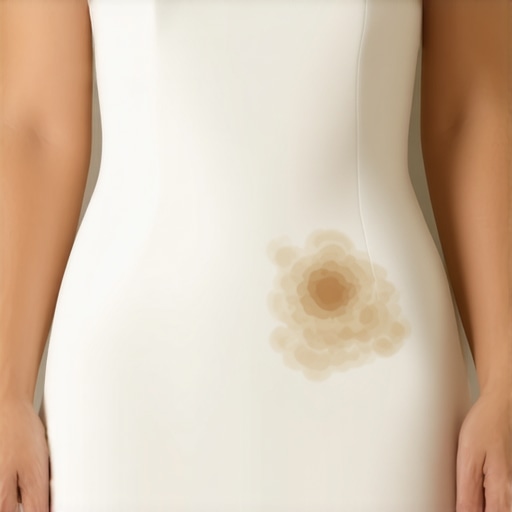
I remember standing in my bridal suite, staring at my wedding gown after the celebration, heart sinking. Tiny, almost invisible stains from my dinner or perhaps a spilled drink had started to set in—things I dismissed back then as mere nuisances. But little did I realize, ignoring these small stains could lead to a much bigger problem down the road. It’s a moment many brides face—believing a quick spot clean is enough, only to find that years later, those stubborn marks have become permanent reminders of a day that should have been flawless.
Why Small Stains Can Turn Into Big Disasters
Delicate fabrics like silk and lace are incredibly unforgiving once stained and left untreated. Even a seemingly harmless smudge can, over time, attract environmental factors like humidity or sunlight, accelerating the deterioration process. This means that what appears as a minor blemish today could, in a few weeks or months, evolve into a permanent discolored area, ruining the entire gown. I learned this the hard way—a mistake I now see countless brides making. Early professional cleaning or proper preservation can make all the difference, saving you from costly repairs or replacements later on. Proper care isn’t just about keeping your gown pristine; it’s about protecting your investment and preserving your memories. If you’re unsure about how to handle these tiny stains, I recommend reading the valuable insights shared in bridal gown preservation secrets. They highlight how overlooked details today could lead to regrets tomorrow.
Is Overknowing Your Wedding Dress Worth the Stress?
I’ll admit, I was guilty of ignoring some stains early in my journey—thinking they weren’t worth fussing over. But the truth is, underestimating the significance of timely cleaning can turn simple stains into a costly ordeal. Professional wedding dress cleaning isn’t just about removing a splash of wine; it’s about understanding the nuances of fabric types, stain sources, and preservation techniques. I wish I had known that certain mishandlings early on could have significantly reduced the damage. Trust me, seeking expert advice or services—like those specializing in wedding dress care and cleaning—can save you a lot of heartache later. If you’re curious about the nuances of wedding dress preservation, check out museum-quality preservation methods for your gown. Now, let’s dive into the specific steps you can take to prevent small stains from turning into lasting scars.h2>Dry off and isolate the stain immediately
Blot, don’t rub
I vividly recall a bridesmaid spilling red wine during the reception. I gently blotted the stain with a clean cloth, pressing around it—never rubbing—to keep the stain from spreading. Quick action like this can significantly reduce the stain’s penetration, especially on delicate fabrics like silk or lace. For stubborn stains, avoid DIY methods and consult professional services specializing in wedding dress care; they know exactly how to handle such delicate fabrics and can prevent permanent damage. To learn more about proper handling, visit expert stain removal techniques.
Use cold water to rinse and dilute
Don’t use hot water
After blotting the excess, I rinsed the area with cold water. Hot water can set certain stains, especially protein-based ones like wine or sweat. This step helps dilute the stain molecules and prevent them from setting. Remember, if you’re unsure or the stain is significant, professional wedding dress cleaning services in areas like Westchase or Trinity FL can assess and treat your gown without risking further harm. Effective rinsing is just part of proper stain management—learn more about how experts approach delicate wedding gown cleaning here.Many brides assume that thread count or fabric type alone determine how you should handle wedding gown cleaning and preservation. But in my experience, there’s a complex web of nuances that can make or break your gown’s longevity. For instance, a common myth is that all dry cleaning services are equal—yet, as experts emphasize, specialized care tailored to delicate fabrics like silk or vintage lace is crucial to prevent irreversible damage. An overlooked mistake is relying solely on standard dry cleaning packages; these often omit the gentle hand-cleaning practices necessary for beaded or embroidered gowns, which can cause beads to loosen or fabric to weaken. Understanding these subtleties can save you hundreds of dollars and preserve your memories intact.
Are You Falling for the Most Common Wedding Gown Preservation Myths?
One pervasive misconception is that storing gowns in plastic containers is safe. In reality, plastic traps moisture, fostering mold and yellowing, especially in humid climates like Tampa Bay. Instead, professional preservation involves breathable, acid-free materials that prevent moisture buildup while protecting delicate fibers. Research by industry experts further confirms that improper storage is one of the leading causes of gown deterioration over time. So, before you choose a Tampa wedding dress preservation service, educate yourself on what truly guarantees long-term protection—many brides miss this crucial detail. For comprehensive insights into preserving your wedding dress as museum-quality art, visit this expert guide.
What’s the Real Cost of Wedding Dress Preservation in Tampa Bay?
When discussing wedding dress preservation cost, many brides only consider immediate expenses, overlooking the long-term value of proper care. The truth is, affordable services often lack the specialized techniques needed for truly delicate fabrics, risking damage and frequent re-treatments that accumulate costs over time. Conversely, the most reputable Tampa Bay preservationists employ advanced methods, such as ultrasonic cleaning and custom packaging, which incur higher upfront fees but extend the gown’s life significantly. Don’t let initial savings lure you into subpar preservation; investing wisely now can prevent costly restoration or replacement later. To explore how to balance quality and cost effectively, check out this detailed breakdown of preservation expenses.
Mastering Advanced Wedding Dress Care Techniques
To dig deeper into the nuances, consider the importance of tailored cleaning approaches for specific fabrics. For example, hand-beaded gowns require special attention: harsh chemicals or mechanical cleaning can destroy intricate embellishments. Similarly, vintage or silk gowns might need temperature-controlled environments during storage to avoid fiber degradation, a common pitfall among DIYers or low-cost providers. These complexities underscore why choosing seasoned professionals who understand the subtleties of delicate wedding dress care is vital. Would you like to learn about the latest techniques in luxury wedding gown cleaning? Visit this resource for expert insights. Remember, your gown isn’t just fabric—it’s a cherished piece of your story. Have you ever fallen into this trap? Let me know in the comments.Maintaining the pristine condition of your wedding gown over time requires more than just careful storage; it demands the right tools and a proactive approach to upkeep. One indispensable item I personally swear by is a **portable garment steamer**. Unlike traditional irons, a steamer gently relaxes fabric fibers and removes wrinkles without risking damage to delicate materials like lace or silk. I use the **J-2000 Jiffy Garment Steamer**, known for its powerful steam output and reliability, which makes quick touch-ups feasible before special events or periodic inspections. Regular use of such a device prevents fabric stiffness and keeps the gown looking museum-quality. Additionally, employing **acid-free storage boxes**—preferably those that allow breathable airflow—protects delicate fabrics from moisture buildup, which is a critical consideration highlighted in professional preservation techniques discussed here. To ensure your gown remains immaculate, I recommend scheduling seasonal checks—examining for any signs of moisture or pests and addressing them promptly with specialized cleaning tools. As technology advances, I predict a trend toward **UV-C sterilization devices** becoming commonplace among professional dress restorers, helping to eliminate allergens and bacteria without harmful chemicals. These innovations promise safer, eco-friendly preservation in the future. How do I maintain a wedding gown over time? The key is consistent, gentle care coupled with quality equipment that ensures long-term beauty. For more insights into expert preservation methods, delve into the detailed strategies shared on bridal gown preservation secrets. Now, I challenge you to try using a **high-quality garment steamer** for minor touch-ups; it’s a game-changer in maintaining your gown’s delicate fabric integrity.
Having navigated the delicate world of wedding gown care, I realize that the real wisdom lies in the small lessons learned along the way. One surprising insight is that even invisible stains can set in deeply on fabrics like silk or lace, rendering your gown vulnerable to permanent damage if not addressed promptly. I once dismissed a tiny smudge, only to find it yellowed and stubborn months later. Additionally, trusting generic cleaning services without understanding their approach can unintentionally accelerate deterioration—proving that not all cleaners are created equal, especially when handling vintage or embroidered gowns. Another revelation is that the choice of storage materials greatly influences your gown’s future; breathable, acid-free options outperform plastic containers every time, especially in humid climates like Tampa Bay. These lessons emphasize that preservation isn’t just about cleaning; it’s a complex process that safeguards your memories against unseen threats, saving you from costly fix-ups down the line. For insights on how to avoid common pitfalls, visit bridal gown preservation secrets and discover what true protection involves.