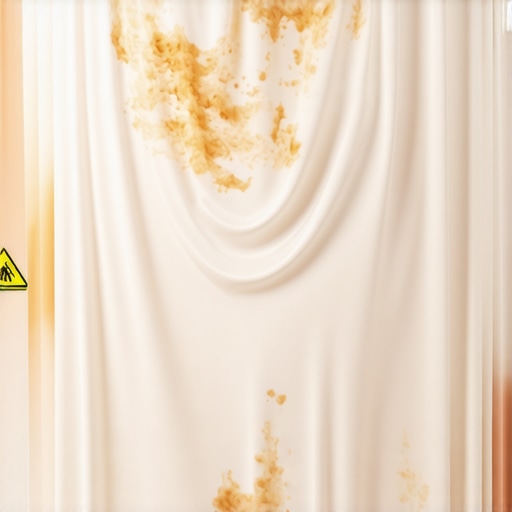
I vividly recall the moment I picked up my vintage bridal gown after what I thought was a routine dry cleaning appointment. The silk fabric felt oddly stiff, and a faint yellow tint crept across the delicate lace. My heart sank. That experience was a wake-up call about the hidden hazards lurking in standard dry cleaning methods, especially for sentimental pieces like wedding dresses. With the wedding season heating up and more brides seeking preservation options, understanding the risks becomes more crucial than ever.
Why Standard Dry Cleaning Might Damage Your Silk Gown
Many brides assume that a quick trip to the dry cleaner is all it takes to keep their wedding dress pristine. But truthfully, traditional dry cleaning in Temple Terrace or nearby areas can unintentionally harm delicate fabrics like silk and lace. The chemicals used may weaken fibers, cause yellowing over time, or even lead to irreversible stains. As I learned early on, these mistakes can cost you dearly—both emotionally and financially.
Is Over-the-Counter Cleaning Actually Worth the Hype?
I’ll admit, I was tempted to save a few bucks by dropping my gown off at a local dry cleaner without doing much research. That was a rookie mistake. I later discovered that not all cleaners have the expertise or equipment to handle vintage or luxury textiles safely. According to experts, choosing professional wedding dress cleaning services in Tampa that specialize in silk preservation makes a significant difference. They use eco-friendly, fabric-safe techniques that maintain the gown’s beauty for generations. To avoid my pitfalls, I recommend reading more about why professional care is worth the investment, such as the insights found here.
So, if you’ve faced or are worried about potential damage, you’re not alone. Today, I’ll guide you through how to spot risky dry cleaning practices and choose better options to keep your silk gown stunning, no matter what 2026 throws at you.
Assess the Dress Carefully Before Cleaning
Start by examining your gown for stains, tears, or discoloration. I once noticed a dull spot on my lace when inspecting my dress. Instead of rushing to a dry cleaner, I documented the damage with photos. This step helps determine whether specialized stain removal or delicate restoration is needed, ensuring your gown receives appropriate care. Avoid generic cleaning kits, as they can cause more harm, especially with vintage fabrics.
Research and Choose a Specialized Preservation Service
Opt for a reputable wedding dress preservation service that specializes in silk and lace. Not all cleaners are equipped for vintage gowns; some might use harsh chemicals damaging delicate fibers. Consult reviews or ask for recommendations, and compare facilities. Remember, professionals in Tampa using eco-friendly techniques offer better long-term results. For example, I selected a local cleaner with expertise in museum-quality preservation, which preserved my gown’s fabric strength and color.
Prepare Your Dress for Cleaning
Carefully store or transport the gown in acid-free tissue or a breathable garment bag to prevent additional staining. Do not machine fold or stuff it into plastic bags, which can trap moisture and cause yellowing. Once at the facility, communicate specific concerns like stains or fragile lace. My experience showed that providing detailed instructions guided the staff to apply gentle, fabric-safe stain removers—avoiding unnecessary chemical exposure.
Monitor and Document the Cleaning Process
Stay involved during the cleaning process. Ask for updates and photographs, especially if your gown has special issues. For instance, I requested progress photos when my dress underwent stain treatment; this avoided over-bleaching or fiber weakening. Trust experts who employ eco-friendly stain removal and preservation techniques, ensuring your gown’s integrity remains intact after cleaning.
Proper Storage Post-Cleaning
Once cleaned, store your gown in an acid-free, breathable garment box or a preservation-quality display case. Keep it in a cool, dry environment away from sunlight and humidity. My own method involved hanging my gown on a padded hanger covered with a cotton bag, which helped maintain its shape without stress on the fabric. Proper storage is key to preventing yellowing and deterioration over time, especially in humid climates like Tampa.
Applying these precise steps, rooted in expert techniques, will safeguard your wedding gown’s timeless beauty. Remember, nothing beats the guidance of professionals who understand the nuances of vintage silk and lace preservation—especially those utilizing eco-friendly solutions that respect both your gown and the environment.
Many brides believe that all dry cleaners are equally capable of handling delicate vintage wedding gowns, but this is far from the truth. In fact, choosing an inexperienced cleaner can accelerate fabric deterioration, especially when dealing with silk or lace. A common myth is that using harsh chemicals or high heat will improve cleaning results; however, experts warn that such approaches can cause yellowing, weakening fibers, or irreversible damage. According to research from textile preservation specialists, employing eco-friendly and gentle cleaning methods not only preserves fabric integrity but also extends the gown’s lifespan.
One major trap to avoid is assuming that any cleaning service near you offers suitable solutions for vintage gowns. Many establishments advertise general dry cleaning but lack the specialized knowledge for heirloom fabrics. This oversight can lead to costly repairs or complete loss of sentimental value. To prevent this, always inquire whether a service offers museum-quality preservation or specializes in wedding dress care, particularly for delicate fabrics.
Have you ever fallen into this trap? Let me know in the comments.
How Does DIY Cleaning Risk Your Vintage Gown’s Future?
Attempting to clean or restore a vintage wedding dress at home might seem cost-effective but often results in unintended damage. Many DIY kits contain aggressive chemicals unsuitable for silk or lace, leading to discoloration or fabric weakening. Professional experts emphasize the importance of tailored techniques—like eco-friendly stain removal and preservation garment bags—that are only available with specialized wedding dress preservation services. For guidance on selecting the right professional, consider reviewing resources like why professional care is vital.
Another nuance is understanding the difference between cleaning for appearance and cleaning for resale value. When preparing a gown for resale, it’s crucial to choose a service that specializes in stain removal without compromising the fabric’s original integrity. Moreover, many brides overlook the importance of proper storage post-cleaning; using acid-free boxes and climate-controlled environments is essential to prevent yellowing or mold growth over time. Learn more about museum-quality preservation techniques.
Ultimately, the key is understanding that professional, eco-friendly cleaning practices are tailored to preserve both the aesthetic and emotional value of vintage gowns. Cutting corners or neglecting special care instructions can lead to irreversible damages that diminish heirloom worth. Make sure your choice of wedding dress cleaning service aligns with these advanced best practices, and you’ll ensure your dress remains a cherished family treasure for generations to come.
Keeping your vintage wedding gown in pristine condition over the years requires more than just professional cleaning; it involves using the right tools and maintenance strategies. As someone deeply immersed in the best practices for wedding dress preservation in Tampa, I recommend investing in specific equipment and adopting proven methods that ensure longevity and beauty. First, a high-quality garment steamer like the Jiffy Esteam is invaluable. It allows gentle wrinkle removal without exposing delicate fabrics to the harsh heat and chemicals of traditional irons, preserving silk and lace integrity. I personally rely on the Esteam for quick touch-ups during storage or display occasions, as it minimizes stress on fragile fibers. Additionally, archival-quality storage solutions, such as acid-free boxes and tissue paper, are crucial. These materials prevent yellowing and degradation caused by acid migration and environmental pollutants. My preferred method involves carefully wrapping the gown in unbuffered tissue, then placing it in a breathable, acid-free box stored in a cool, dry place, away from sunlight. For stain removal, eco-friendly, fabric-specific solutions like the Puracy Stain Remover are excellent choices. I use this product because it’s safe for vintage fabrics and effectively lifts stains without risking fiber damage, aligning with Tampa’s eco-conscious cleaning standards. Moving forward, technological advancements like ultrasonic cleaning devices are emerging on the horizon. While still gaining acceptance, these tools promise thorough, gentle cleaning by vibrating at high frequencies to remove deeply embedded dirt. According to expert textile preservation sources, such techniques could revolutionize long-term care, making professional wedding dress cleaning services even more effective. To start applying these principles today, try using a fabric-safe steamer for minor touch-ups, ensuring your gown stays spotless and stunning for years to come.
How do I maintain my wedding dress over time?
Regular inspection and proper storage are vital. Schedule periodic checks for signs of yellowing, mold, or fabric stress. Gown preservation experts recommend re-evaluating storage environments annually and updating storage materials if necessary. Implementing climate control in the storage area, such as a dehumidifier, can dramatically reduce humidity-related issues common in Tampa’s humid climate. Moreover, avoiding exposure to direct sunlight preserves the dress’s original colors and details. Staying consistent with these maintenance routines will ensure your wedding gown remains as breathtaking as on your wedding day. For further insights on advanced preservation methods, explore professional wedding dress care in Tampa. Remember, proactive maintenance complemented by the right tools will help your treasured gown stand the test of time, whether it’s for future resale or heirloom display.
Lessons from the Frontline of Gown Care
One of the most profound realizations I’ve had is that every vintage wedding gown holds a story of delicate craftsmanship—and deserves tailored care to preserve its legacy. I learned this through unexpected mishaps, like initial attempts at DIY cleaning that threatened the fabric’s integrity. These experiences taught me that patience, knowledge, and the right expert guidance can turn a potential disaster into a beautiful preservation journey. It’s about recognizing the gown’s unique fabric makeup and respecting its age—something I only understood after facing and overcoming challenges myself.
Tools That Transformed My Approach to Preservation
Over time, I discovered that equipment like a high-quality fabric steamer, such as the Jiffy Esteam, became indispensable for gentle touch-ups. Archival storage solutions—acid-free tissue and breathable boxes—acted as guardians against yellowing and environmental harm. Eco-friendly stain removers, compatible with vintage fabrics, replaced harsh chemicals, ensuring treatments didn’t do more harm than good. These tools, combined with ongoing education about emerging preservation techniques like ultrasonic cleaning, have revolutionized my understanding of long-term gown care. For brides looking to maintain their gown’s beauty, exploring trusted resources like professional preservation services can offer invaluable insights.
Embracing the Emotional Power of Preservation
Your wedding gown is more than fabric; it’s a vessel of cherished memories. Protecting it isn’t just about maintenance—it’s about honoring a moment in time and ensuring that love, joy, and elegance endure for generations. Taking proactive, expert-led steps transforms preservation from a mundane task into a heartfelt act of legacy-building. So, I invite you to consider how your gown can continue to tell its story long after the wedding day. Remember, today’s careful decisions lay the foundation for tomorrow’s treasured heirloom.
What has been the most surprising thing you’ve learned about caring for delicate fabrics? Share your insights below and join the conversation!