
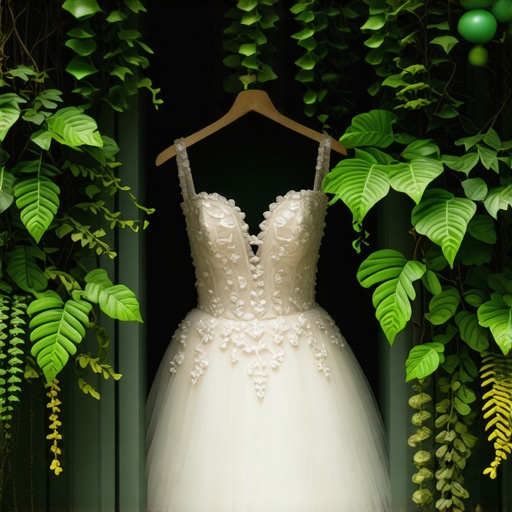
I’ll never forget the moment I realized my wedding gown, carefully stored in its delicate box, had developed mysterious yellow stains. It struck me how something so beautiful could become so fragile over time. It was a lightbulb moment that made me question the entire preservation process, especially here in Tampa where humidity and weather can wreak havoc on delicate fabrics. If you’re like me, you probably want your gown to look just as stunning years down the road as it did on your wedding day.
Why Preserving Your Wedding Dress Is More Critical Than You Think
Most brides spend months searching for the perfect dress, but few think about how to maintain its beauty after the celebration. Without proper care, your gown can discolor, stain, or deteriorate faster than you’d expect. I learned this the hard way when I discovered that even a few years of improper storage can lead to irreversible damage. That’s why I started digging into top eco-friendly care practices in Tampa, because maintaining the integrity of fabrics like silk, lace, and satin isn’t just about aesthetics—it’s about honoring the momentous day the gown represents.
Have You Faced This Problem?
If you’ve ever wondered whether your gown’s preservation method is enough, you’re not alone. Many brides underestimate the importance of professional cleaning and storage solutions. A study published by the Textile Conservation Center indicates that improper cleaning can cause fabrics to weaken or discolor prematurely. Early in my journey, I made the mistake of trying to clean my gown at home, which only worsened the stains. That experience taught me that professional, *museum-quality* preservation is a worthwhile investment.
So, what can you do to ensure your gown retains its original beauty? Stay tuned, because I’ll share proven tips and expert strategies that helped me extend the life of my wedding dress—and I believe they can help you too. Whether you’re considering *wedding gown cleaning cost*, wondering about *wedding gown preservation* best practices, or simply want to understand how to combat the effects of Tampa’s climate, this guide will prepare you with essential knowledge to keep your gown looking flawless for years to come.
Pre-Treatment: Prepare Your Gown for Safe Preservation
Before storing your wedding dress, it’s crucial to remove any stains or residues that can set over time. I recall a time I attempted to spot-clean a small wine stain with DIY solutions, which only worsened the discoloration. Instead, consult a professional for expert stain removal in Tampa. They use gentle, eco-friendly solutions tailored for delicate fabrics like silk or lace, preventing fabric weakening or dye bleeding.
Choosing the Right Storage Environment to Prevent Damage
Control Humidity and Temperature
Think of your gown’s storage like maintaining a perfect climate-controlled museum exhibit. Aim for a cool, dry space with approximately 50% humidity levels. Avoid attics or basements prone to moisture and temperature fluctuations. I once stored my gown in a closet near an A/C vent; the airflow caused minor fabric clouding, showing me firsthand the importance of a stable environment.
Use Acid-Free Materials for Storage
Wrap your gown in acid-free tissue paper and store it in an acid-free, padded box. I experimented with using plastic covers, thinking they would protect fashion, but learned they trapped moisture and promoted yellowing over time. Visit eco-friendly preservation methods in Tampa to find suitable packaging options that preserve fabric integrity without causing damage.
Proper Folding and Handling Techniques for Longevity
Instead of hanging your gown, fold it carefully along the existing seams to avoid stressing delicate fibers. Think of folding as gently preparing a piece of art for storage—each fold must be deliberate. When I first tried folding my gown, I caused minor creases that took months to relax out. Learning to fold with tissue between layers and avoiding sharp folds is key. For expert guidance, see professional tips on wedding gown folding.
Regular Checkups to Maintain Your Gown’s Condition
Periodically, inspect your gown every 6-12 months to catch early signs of damage like stains or fabric stress. I once noticed a tiny discoloration that, when promptly treated by a professional, prevented significant damage. Think of this like visiting a healthcare provider—proactive care keeps your gown looking pristine for years to come. For trusted Tampa-based gown maintenance, explore museum-quality preservation practices.
Addressing Climate Challenges Unique to Tampa
Tampa’s humidity and heat demand extra caution. Use dehumidifiers and consider climate-controlled storage facilities. I personally invested in a small dehumidifier in my closet—small but impactful, akin to having a personal climate-controlled vault for my gown. For detailed advice tailored to Tampa’s climate, check top preservation tips in Tampa. Remember, the key is consistency and using the right materials—these are the pillars of ensuring your gown remains stunning and intact.
While many brides believe they know the basics of wedding gown preservation, there’s a common misconception that inexpensive or DIY solutions are sufficient. In reality, such approaches often overlook intricate fabric sensitivities, leading to accelerated aging or irreversible damage. For instance, some assume that plastic covers are ideal for storage, but studies indicate that plastic traps moisture and can cause yellowing over time, especially in humid environments like Tampa. This highlights the importance of using acid-free, breathable materials for proper preservation.
Are You Falling for These Preservation Traps?
One widespread myth is that regular dry cleaning is enough. However, without expert handling, especially of delicate fabrics like silk or lace, stains can become embedded, and fibers may weaken. Professional preservation involves careful stain removal, controlled environment storage, and tailored handling techniques. For example, a bride who tried to save costs by skipping museum-quality care risked fabric deterioration—an error that proves costly in the long run. To avoid such pitfalls, consult trusted professionals who specialize in eco-friendly wedding gown preservation in Tampa.
Moreover, the misconception that all cleaning services provide the same quality can be misleading. High-end fabrics require specialized treatments that only seasoned experts grasp fully, especially when dealing with complex embellishments or vintage fabrics, as found in vintage bridal gown cleaning in Tampa. Skipping this expertise can lead to fabric weakening or staining, which is ultimately irreversible.
What Advanced Mistakes Do Brides Often Overlook?
Many underestimate the importance of environmental controls. Tampa’s high humidity necessitates precise climate management. Failing to set the proper storage conditions—maintaining about 50% humidity and consistent cool temperatures—can cause mold growth, fabric shrinkage, or yellowing. In my experience, investing in a dehumidifier and climate-controlled storage has preserved gown integrity remarkably well. For those seeking the best practices, exploring top preservation tips in Tampa is invaluable.
Ultimately, understanding the nuanced needs of your gown and avoiding shortcuts can save you both money and sentimental value. Remember, wedding gowns are delicate artifacts, and preserving them requires expertise, careful handling, and the right environment. Have you ever fallen into this trap? Let me know in the comments.
Investing in Quality Equipment Makes a Difference
When it comes to preserving your wedding gown, the right tools can significantly simplify the process and improve results. I personally rely on a few key items that ensure my gown stays in pristine condition over the years. Among them, a high-quality steamer is indispensable. Unlike traditional irons, a steamer gently removes wrinkles without risking fabric burning or leaving shiny spots, especially on delicate fabrics like lace or silk. For my preservation routines, I use a handheld garment steamer with variable temperature settings, which I find gives me precise control and quick results.
Additionally, acid-free tissue paper is essential for careful folding. I avoid cheap, generic tissue and opt for archival-quality, acid-free paper, as it prevents yellowing and fabric degradation. I also invest in acid-free storage boxes with padded interiors to cushion the gown from environmental stressors. These items are readily available from specialized suppliers and become invaluable for long-term preservation. Incorporating these tools into your preservation routine helps maintain the gown’s integrity, ensuring that the delicate fabrics like satin, tulle, or lace are protected against humidity and light exposure.
Methodical Approach with Preservation Software
Beyond physical tools, I’ve adopted digital solutions to organize and monitor preservation efforts. Using a simple spreadsheet, I document cleaning dates, store details, and inspection notes. This practice allows me to track the gown’s condition over time and plan professional checkups proactively. There are also dedicated preservation management platforms emerging that help coordinate professional cleaning schedules, especially if you’re working with multiple boutiques or preservationists. These tools help prevent neglect and ensure your gown receives ongoing, expert attention, reducing the risk of unnoticed damage.
Future Trends in Wedding Gown Maintenance
Looking ahead, I believe advancements in smart textiles and environmental controls will revolutionize gown preservation. Imagine temperature and humidity sensors integrated into storage units that relay real-time data to your phone, alerting you of potential issues immediately. Innovations like anti-microbial fabrics for storage covers could prevent mold and pests without chemicals. Staying informed about such technological innovations will be key to ongoing success in preserving your wedding gown.
How do I maintain wedding gown preservation equipment and techniques over time?
Regular maintenance of your tools, like descaling steamers and replacing storage liners, is critical. I set monthly reminders to clean my steamer and replace tissue paper, ensuring optimal performance. Moreover, I periodically review best practices from trusted sources such as expert preservation tips in Tampa to stay ahead of evolving techniques. Allocating time for routine upkeep and education ensures that your gown’s preservation remains effective over decades. Don’t hesitate to test new methods or tools like advanced climate monitors—they can make a marked difference in the long run. As ecological preservation practices evolve, incorporating sustainable equipment will also enhance the safety and longevity of your precious gown.
Lessons Hidden in My Preservation Journey
One of the most eye-opening lessons I learned was that even the tiniest stain left unaddressed can become a permanent blemish over time, especially in humid climates like Tampa. I once assumed that hanging my gown in a closet was sufficient, only to find subtle fabric stress and yellowing after a few years. This experience revealed that proactive measures—like professional cleaning and controlled storage—are vital for lasting beauty. I also discovered that not all preservation methods are created equal; DIY solutions might seem convenient but can cause more harm than good, especially for delicate fabrics such as lace and silk. Lastly, understanding the science behind fabric aging has empowered me to make informed choices about environmental controls, ensuring my gown remains as stunning as the day I wore it.