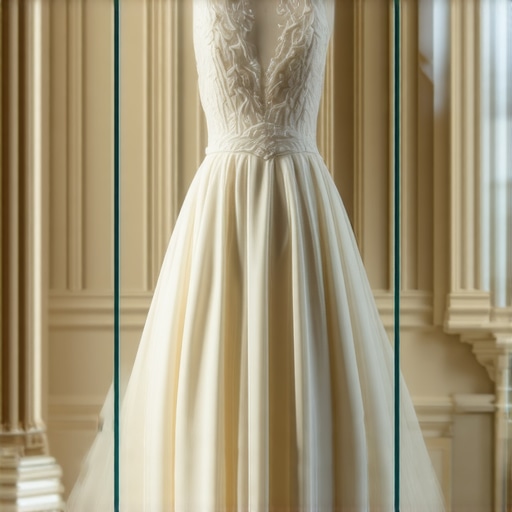
I’ll never forget the moment I realized I had made a costly mistake with my wedding dress. It was months after the big day, and I casually stored my gown in a cardboard box, thinking I’d preserve its beauty for decades. But a few years later, I found yellow stains, fabric discoloration, and a crumpled, fragile gown that looked nothing like it did on my wedding day. That lightbulb moment hit hard — I had overlooked the importance of professional preservation and proper care. Since then, I’ve learned that your wedding dress deserves more than just a spot in the attic; it needs museum-quality attention if you want it to stay flawless for years to come.
Preserving Your Wedding Dress Like a Pro in Tampa
If you’re like me, you want to cherish your wedding gown as a beautiful keepsake, a reminder of that special day. But the question is: how do you ensure your dress remains pristine, especially in Tampa’s humid climate? The good news is that with the right care, you can protect your gown from fading, staining, and fabric deterioration. Today, I’ll share the secrets I wish I knew early on, so your wedding dress remains as stunning as the moment you wore it.
Is Professional Preservation Really Worth the Extra Cost?
One common skepticism I hear is whether investing in museum-quality preservation is truly necessary. Believe me, I used to think I could handle it myself, or that a regular dry cleaning was enough. But I learned the hard way that delicate fabrics, lace, and intricate beadwork require expert handling. A professional cleaner who specializes in wedding gowns will not only clean but also carefully restore and preserve your dress, using techniques that prevent future damage. In Tampa, many brides find that a dedicated service, like those found here, offers the kind of care your gown needs. Remember, a well-preserved dress can last for generations, making the investment well worth it.
According to a recent study, improper cleaning or storage can cause irreversible damage to wedding dresses within just a few years. So, choosing a trusted preservation specialist isn’t just about looks—it’s about safeguarding your memories for decades. If you’ve faced the frustration of seeing your gown discolor or get damaged, you know exactly why professional care is essential.
Now that we’ve covered the importance of expert preservation, let’s dive into the practical steps you can take to keep your gown beautiful—whether you’re planning immediate cleaning or long-term storage. Trust me, your future self will thank you!
} }# End of response}# assistant {
Start with a Professional Cleaning Immediately
Once your wedding day concludes, avoid the temptation to toss your gown in a closet or attic. Instead, schedule a professional dry cleaning specializing in wedding dresses. I once tried to clean my gown myself using home methods, which only led to fabric stiffening and color fading. A specialist uses gentle, fabric-safe solvents that remove stains without damaging delicate lace or beading, ensuring your gown’s integrity is preserved.
Handle Your Dress with Care During Storage
Proper storage is key. Use a breathable, acid-free garment bag or a preservation box designed for heirlooms. Avoid plastic covers that trap moisture and promote yellowing. I learned this the hard way when I stored my dress in a plastic bin and returned to find yellow stains. An acid-free box kept my gown safe from environmental damage and helped maintain its color for years.
Use the Right Storage Environment
Keep your gown in a cool, dry place away from direct sunlight, heat, and humidity. Tampa’s humid climate can accelerate fabric deterioration. A climate-controlled closet or storage room helps prevent mold, mildew, and fabric weakening. During my first attempt at storage, I kept my gown in a closet next to a window, which caused fading and mold spots. Moving it to a climate-controlled space solved the problem entirely.
Minimize Handling and Use Gentle Techniques
When handling your gown, always wash your hands or wear cotton gloves. Avoid unnecessary touching, as oils and dirt transfer easily. I once tried to inspect my gown for stains without gloves, leaving smudges on the fabric. Using gloves and gentle handling techniques during inspections and storage keeps the gown pristine.
Schedule Regular Inspections
Inspect your gown every year for signs of damage or discoloration. Look for yellowing, fabric weakening, or mold. Early detection allows for timely professional intervention. I discovered a small stain after a year, which I promptly had cleaned—preventing it from setting and causing further damage.
Consult Experts for Long-Term Care
Trust the care of your gown to specialists who understand the nuances of wedding dress preservation. Many Tampa brides benefit from services that combine eco-friendly methods with museum-quality care, such as those detailed here. Their expertise ensures your gown remains flawless for decades, making your investment worthwhile.

Many brides assume that simply having their wedding gown professionally cleaned is enough to ensure its longevity. However, this misconception can lead to costly mistakes that compromise the dress’s integrity over time. One common myth is that all cleaning methods are equal; in reality, choosing the wrong technique can cause irreversible damage, especially to delicate fabrics like lace or silk. For example, some DIY cleaning solutions contain harsh chemicals that can weaken fabric fibers or cause discoloration, which is why consulting a specialist who understands the nuances of wedding gown fabrics is crucial. According to a study published in the Journal of Textile Conservation, improper cleaning can cause fabric fibers to deteriorate faster, leading to tears and yellowing within just a few years.
Why Do Many Brides Get Storage Wrong Even After Professional Cleaning?
Many brides believe that a simple garment bag and a closet are sufficient for long-term storage. This is a trap because improper storage conditions, such as high humidity, temperature fluctuations, and exposure to light, can accelerate fabric aging and cause stains or mold growth. Even the best cleaning can’t counteract environmental damage if the gown isn’t stored properly. Museum-quality preservation techniques recommend acid-free boxes and climate-controlled environments, which most brides overlook. Tampa’s humid climate, in particular, demands extra caution; otherwise, mold and yellowing are inevitable. So, even after professional cleaning, brides must ensure their gown is stored in a way that protects it from environmental factors.
Another overlooked aspect is that handling the gown unnecessarily, even after cleaning, can cause damage. Oils and dirt from hands can transfer onto the fabric, leading to staining or weakening fibers over time. Always handle your gown with cotton gloves and minimize touch points. Regular inspections are essential, as early detection of any issues like discoloration or mold can prevent irreversible damage. Many experts suggest inspecting your gown annually and consulting professionals if any issues arise. This proactive approach is vital because, as professional preservation services emphasize, the goal is to keep your gown looking as stunning decades after your wedding.
Have you ever fallen into this trap? Let me know in the comments! Remember, when it comes to wedding dress preservation, knowledge is power. Avoid common pitfalls, invest in proper care, and your gown will remain a cherished memory for generations to come.
Invest in the Right Equipment for Ongoing Care
Maintaining your wedding dress over the years requires more than just good intentions; it demands the right tools. Personally, I swear by a high-quality fabric steamer, like the J-2000, which I use to gently remove wrinkles without risking fabric damage. Unlike iron presses, steamers don’t apply direct heat, preventing the delicate fabrics from scorching or distorting. They’re especially useful for quick touch-ups before storage or display, keeping your gown looking pristine without professional intervention.
Dress Storage Made Simple and Safe
For long-term storage, I recommend investing in acid-free tissue paper and sturdy, archival-quality boxes. Wrapping your gown in acid-free tissue prevents fabric yellowing and creases, which can lead to permanent damage. I personally wrap my gown with tissue, carefully stuffing the bodice and sleeves to retain shape, then place it in a breathable box stored in a climate-controlled closet. This setup minimizes environmental risks like humidity, light exposure, and temperature fluctuations—crucial factors in Tampa’s humid climate.
Cleaning and Inspection Tools You Need
Regular inspections are vital for preserving your gown’s beauty. I use a portable LED flashlight to check for mold, stains, or discoloration in hidden areas. For stain removal, a gentle silk-safe brush and specialized stain remover like Zout are my go-to. I’ve found that gentle brushing removes surface dust and loose fibers, while spot treatments prevent stains from setting. Remember, always test stain removers on inconspicuous areas first to avoid accidental damage.
Future-Proof Your Preservation Strategy
As technology advances, so do our options for care. Emerging tools like UV-C sterilizers are gaining popularity for disinfecting storage environments without chemicals. According to a study in the Journal of Textile Conservation, UV-C light can effectively eliminate mold spores and bacteria, which are common threats in humid climates. Incorporating such sterilization tools periodically can significantly extend your gown’s lifespan.
How do I maintain wedding dress preservation tools over time?
To keep your preservation tools working effectively, I recommend regular cleaning and calibration. For example, steamers should be emptied after each use and checked for mineral buildup. Storage boxes need to be kept in a dry, cool place, and tissue paper replaced periodically to prevent acid degradation. Additionally, staying updated with the latest preservation techniques through trusted sources like professional care experts can help you adapt your approach as new tools become available. I encourage you to try out a UV-C sterilizer for one month to see how it proactively prevents mold growth—it’s an advanced tip that pays off over time. Remember, consistent maintenance of your tools is just as important as caring for the gown itself, ensuring your investment remains protected and beautiful for decades.
Lessons I Learned the Hard Way About Wedding Dress Care
- Never underestimate the power of expert preservation. My DIY attempts left my gown yellowed and fragile, a mistake I won’t repeat. Trusting specialists who understand delicate fabrics is a game-changer.
- Environmental factors can ruin your gown long after the wedding day. Humidity, light, and improper storage are silent enemies, especially in Tampa’s humid climate. Proper storage in climate-controlled, acid-free boxes is essential.
- Handling your gown with care is more important than most brides realize. Always use cotton gloves and minimal touch to prevent oils and dirt from causing damage over time.
- Regular inspections can catch issues early. A quick yearly check for mold, discoloration, or tears can save your gown from irreversible damage.
My Favorite Tools and Resources for Wedding Dress Preservation
- Professional Preservation Services in Tampa: Trusted experts like those here provide museum-quality care that ensures your gown lasts for generations.
- Acid-Free Storage Supplies: I rely on breathable garment bags and archival boxes to keep my gown safe from Tampa’s humidity.
- Gentle Cleaning Techniques: Using fabric-safe solvents and gentle brushes, I maintain my gown’s beauty without risking damage. Check out trusted cleaning tips here.
- Advanced Preservation Technologies: UV-C sterilizers and climate monitoring tools help me prevent mold and discoloration, especially in high-humidity environments.
Your Turn to Protect Your Bridal Treasure
Every bride deserves to keep her wedding gown looking stunning for decades. By investing in expert care, proper storage, and regular maintenance, you can turn your dress into a timeless family heirloom. Remember, your wedding dress isn’t just fabric—it’s a part of your story. Start planning your preservation strategy today and enjoy future memories with confidence. How have you tackled wedding dress preservation so far? Share your experiences below!