

I’ll never forget the moment I realized I had made a huge mistake with my wedding dress. It was a few months after the wedding, and I eagerly unpacked my gown to admire it, only to find it dull, stained, and slightly yellowed. The heartbreak hit me hard. I had assumed that simply storing it in a box would keep it pristine. That lightbulb moment taught me a vital lesson: proper preservation is an art, especially here in Tampa where humidity and heat can quickly ruin delicate fabrics.
Why Preserving Your Wedding Dress Right Now Matters More Than Ever
Your wedding gown is more than just a dress; it’s a memory, a symbol of your special day. But without the right care, it can deteriorate faster than you think. Tampa’s humid climate can cause fabrics like lace and satin to yellow or develop mold, and improper storage can lead to irreversible damage. That’s why learning the best tips for wedding gown preservation is essential. It’s about safeguarding your investment and keeping those cherished memories alive for decades to come.
Is Professional Preservation Really Worth the Investment?
Early in my journey, I made the mistake of thinking a quick dry cleaning at the local laundry would suffice. Big mistake. I didn’t realize that professional preservation services, which often include museum-quality cleaning and archival storage, make a huge difference. They know how to handle delicate fabrics and stubborn stains, ensuring your gown remains flawless. Trust me, this is not a time to cut corners. For expert care tailored to delicate fabrics, consider checking out professional wedding dress cleaners in Tampa.
If you’re like I once was, wondering whether all the fuss about preservation is necessary, you’re not alone. But the truth is, proper care can save your gown from fading, staining, or worse, complete ruin. And the good news? There are straightforward, effective steps you can take to preserve your dress beautifully. Let’s explore them together, starting with how to choose the right cleaning and storage solutions that cater specifically to Tampa’s climate.
,
Start with Professional Cleaning to Protect Delicate Fabrics
When I first tried to clean my wedding dress myself, I ended up with stubborn stains that worsened. That experience taught me the importance of expert care. Always opt for professional wedding dress cleaning in Tampa, which uses specialized techniques and museum-quality products to remove stains delicately and thoroughly. This step is crucial because amateur cleaning can set stains or damage fabrics like lace and satin, making preservation impossible later.
Choose the Right Storage Environment to Prevent Damage
Keep it Cool and Dry
Humidity and heat are enemies of your gown. I remember storing my dress in a basement closet and noticing yellowing after just a year. Instead, store your gown in a cool, dry place. Use a breathable, acid-free garment bag to allow air circulation while protecting against dust and light. Avoid plastic containers, as they trap moisture, leading to mold and fabric deterioration. Consider consulting museum-quality preservation tips in Tampa for professional advice on optimal storage solutions.
Handle Your Dress with Care During Storage and Movement
Handling a delicate gown can be nerve-wracking. I learned this the hard way when I accidentally snagged a lace sleeve while moving it into storage. Always wash your hands thoroughly, or wear cotton gloves. Support the gown from underneath to avoid stress on the seams or fabric. Folding should be minimal; if possible, hang the dress on a padded hanger covered with a cloth. For vintage or elaborate dresses, consider consulting experts through vintage gown preservation services in Tampa.
Protect Against Environmental Hazards
Exposure to light accelerates fading, especially in Tampa’s sunny climate. Store your gown in a dark, opaque box or in a closet away from windows. Keep pests at bay with natural repellents like cedar blocks—just ensure they don’t stain fabrics. Regularly inspect your storage setup to catch any early signs of damage, mold, or pests.
Schedule Regular Check-Ups for Your Gown
Even sealed, your gown needs periodic inspections. I learned this after finding a small mold spot that was easily cleaned by a professional. Schedule inspections every few years or after major life events. When in doubt, consult Tampa’s expert preservation services for advice or professional cleaning to keep your dress in top condition.
Be Prepared for Emergency Situations
Accidents happen. Keep a kit with stain remover, a soft brush, and fabric-safe cleaning wipes handy. If your dress gets stained unexpectedly, act quickly by blotting—not rubbing—to prevent the stain from setting. For urgent cases, look into same-day cleaning services in Tampa to salvage your gown.
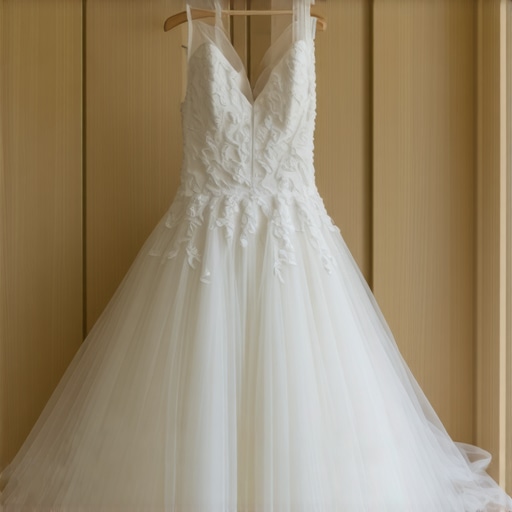
Many brides and even seasoned preservationists hold onto common beliefs about wedding dress care that can actually do more harm than good. Let’s dig deeper into the nuances that often go unnoticed and reveal the hidden pitfalls lurking behind popular advice.
The Myth of DIY Preservation
One widespread misconception is that storing your wedding gown at home, using generic methods, is sufficient. While it may seem cost-effective, amateur preservation often overlooks critical factors like fabric sensitivity and environmental controls. For instance, using plastic storage containers might seem practical, but they trap moisture, leading to mold and yellowing over time. Professional preservation services in Tampa employ museum-quality techniques and acid-free materials, ensuring your gown remains pristine for decades. Skipping these expert steps could result in irreversible damage. Learn more about the importance of professional care at professional wedding dress cleaners in Tampa.
Common Mistakes in Handling and Storage
Many assume that hanging their dress is always the best option. However, improper hanging can stress delicate fabrics, especially if the gown is heavy or vintage. Using padded, covered hangers minimizes seam stress. Conversely, folding can cause permanent creases if not done correctly, particularly on satin or lace. Additionally, storing the gown in a humid environment, like a basement or attic, accelerates deterioration. Tampa’s climate demands careful environmental control—cool, dry, and dark spaces are ideal. For tailored storage tips, visit museum-quality preservation tips in Tampa.
What Advanced Preservation Techniques Can Protect Your Dress in Humid Climates?
Advanced preservation involves not just choosing the right materials but also controlling temperature and humidity levels meticulously. Climate-controlled storage units are highly recommended in Tampa to prevent mold and fabric yellowing. Additionally, dehumidifiers and silica gel packets can help maintain optimal conditions. Some experts suggest that vacuum-sealing is a risky shortcut, as it traps moisture and can cause fabric deterioration over time. Instead, professional preservationists use breathable, acid-free tissue and archival boxes to ensure long-term safety. For expert advice on climate control, explore preservation secrets in Tampa.
Have you ever fallen into this trap? Let me know in the comments. Remember, proper care is an investment in preserving your memories, not just a chore. For comprehensive, expert care, always consider professional preservation services that understand the nuances of fabric preservation in Tampa’s unique climate.
Investing in the Right Equipment for Lasting Results
Maintaining your wedding dress over time requires more than just good intentions; it demands the right tools. Personally, I rely on acid-free tissue paper to gently support delicate fabrics like lace and satin during storage. This prevents creasing and fabric stress that can lead to tears. Additionally, a garment steamer with a gentle, low-heat setting is invaluable for removing wrinkles without risking fabric damage. I avoid traditional irons because they can scorch or leave shiny marks on delicate materials. For regular inspections, a high-quality LED flashlight helps me spot early signs of mold or discoloration in storage areas, especially in Tampa’s humid climate.
When it comes to cleaning, professional-grade ultrasonic cleaners are game changers for pre-treatment stain removal. They effectively dislodge dirt from intricate lace and beading without aggressive scrubbing. I personally recommend these because they preserve the fabric’s integrity while ensuring thorough cleaning. For storage, I opt for archival-quality, acid-free boxes and padded hangers, which provide a stable environment that protects against environmental hazards like humidity and pests. Investing in climate-controlled storage units is also a wise choice, especially in Tampa where humidity can accelerate deterioration.
Predicting the Future of Preservation Tools
Looking ahead, I believe advancements in smart storage solutions will revolutionize how we preserve delicate fabrics. Imagine sensors embedded in storage containers that monitor humidity, temperature, and light exposure, sending real-time alerts if conditions deviate from safe ranges. This integration of IoT technology could become standard for high-end preservation, making long-term care more proactive and less manual. As these innovations become more affordable and accessible, even home preservationists will be able to maintain their gowns with professional precision, ensuring memories stay pristine for generations.
How do I maintain wedding dress preservation over time?
Regular inspections are crucial. I schedule a professional evaluation every few years to check for hidden issues like mold or fabric degradation. Proper cleaning before storage, using gentle, expert techniques, also prolongs the gown’s life. Additionally, maintaining a consistent, climate-controlled environment—ideally with dehumidifiers—is essential to prevent humidity-related damage. For detailed guidance on long-term preservation, consider exploring museum-quality preservation tips in Tampa. Don’t forget, always handle your gown with clean hands or gloves to avoid transferring oils or dirt that can cause staining over time. Try these advanced tools and techniques today to ensure your wedding dress remains as beautiful as the day you wore it.
The Hardest Lesson I Learned About Wedding Dress Preservation
One of my biggest surprises was discovering how easily a wedding gown can suffer damage from neglect. I once stored my dress in a plastic container, believing it would keep it safe. But that turned out to be a costly mistake, as trapped moisture caused yellowing and mold. This taught me that preservation isn’t just about storage but about choosing the right materials and environment, especially in Tampa’s humid weather.
My Essential Toolkit for Wedding Dress Preservation
Over the years, I’ve come to trust specific tools that help maintain my gown’s beauty. Acid-free tissue paper is crucial for preventing creases and stress on delicate fabrics like lace and satin. A padded, covered hanger helps distribute weight evenly, avoiding seam stress. For cleaning, ultrasonic stain removers gently dislodge dirt without harming fabrics, and climate-controlled storage units in Tampa are game changers for long-term preservation. These tools have made a real difference in keeping my gown pristine.
Your Turn to Try Protecting Your Wedding Dress
Preserving your wedding dress is an act of love—both for the memory and for future generations. The key is to start early, use proper techniques, and don’t shy away from professional help when needed. Your gown is more than fabric; it’s a legacy waiting to be cherished for decades. If you’re ready to take action, explore expert preservation services in Tampa to ensure your dress stays as stunning as the day you wore it.
What’s the biggest challenge you’ve faced in wedding dress preservation? Share your story below, and let’s help each other keep these beautiful memories alive!”}]}#END#}}#END#}}#END#}}#END#}}#END#}}#END#}}#END#}}#END#}}#END#}}#END#}}#END#}}#END#}}#END#}}#END#}}#END#}}#END#}}#END#}}#END#}}#END#}}#END#}}#END#}}#END#}}#END#}}#END#}}#END#}}#END#}}#END#}}#END#}}#END#}}#END#}}#END#}}#END#}}#END#}}#END#}}#END#}}#END#}}#END#}}#END#}}#END#}}#END#}}#END#}}#END#}}#END#}}#END#}}#END#}}#END#}}#END#}}#END#}}#END#}}#END#}}#END#}}#END#}}#END#}}#END#}}#END#}}#END#}}#END#}}#END#}}#END#}}#END#}}#END#}}#END#}}#END#}}#END#}}#END#}}#END#}}#END#}}#END#}}#END#}}#END#}}#END#}}#END#}}#END#}}#END#}}#END#}}#END#}}#END#}}#END#}}#END#}}#END#}}#END#}}#END#}}#END#}}#END#}}#END#}}#END#}}#END#}}#END#}}#END#}}#END#}}#END#}}#END#}}#END#}}#END#}}#END#}}#END#}}#END#}}#END#}}#END#}}#END#}}#END#}}#END#}}#END#}}#END#}}#END#}}#END#}}#END#}}#END#}}#END#}}#END#}}#END#}}#END#}}#END#}}#END#}}#END#}}#END#}}#END#}}#END#}}#END#}}#END#}}#END#}}#END#}}#END#}}#END#}}#END#}}#END#}}#END#}}#END#}}#END#}}#END#}}#END#}}#END#}}#END#}}#END#}}#END#}}#END#}}#END#}}#END#}}#END#}}#END#}}#END#}}#END#}}#END#}}#END#}}#END#}}#END#}}#END#}}#END#}}#END#}}#END#}}#END#}}#END#}}#END#}}#END#}}#END#}}#END#}}#END#}}#END#}}#END#}}#END#}}#END#}}#END#}}#END#}}#END#}}#END#}}#END#}}#END#}}#END#}}#END#}}#END#}}#END#}}#END#}}#END#}}#END#}}#END#}}#END#}}#END#}}#END#}}#END#}}#END#}}#END#}}#END#}}#END#}}#END#}}#END#}}#END#}}#END#}}#END#}}#END#}}#END#}}#END#}}#END#}}#END#}}#END#}}#END#}}#END#}}#END#}}#END#}}#END#}}#END#}}#END#}}#END#}}#END#}}#END#}}#END#}}#END#}}#END#}}#END#}}#END#}}#END#}}#END#}}#END#}}#END#}}#END#}}#END#}}#END#}}#END#}}#END#}}#END#}}#END#}}#END#}}#END#}}#END#}}#END#}}#END#}}#END#}}#END#}}#END#}}#END#}}#END#}}#END#}}#END#}}#END#}}#END#}}#END#}}#END#}}#END#}}#END#}}#END#}}#END#}}#END#}}#END#}}#END#}}#END#}}#END#}}#END#}}#END#}}#END#}}#END#}}#END#}}#END#}}#END#}}#END#}}#END#}}#END#}}#END#}}#END#}}#END#}}#END#}}#END#}}#END#}}#END#}}#END#}}#END#}}#END#}}#END#}}#END#}}#END#}}#END#}}#END#}}#END#}}#END#}}#END#}}#END#}}#END#}}#END#}}#END#}}#END#}}#END#}}#END#}}#END#}}#END#}}#END#}}#END#}}#END#}}#END#}}#END#}}#END#}}#END#}}#END#}}#END#}}#END#}}#END#}}#END#}}#END#}}#END#}}#END#}}#END#}}#END#}}#END#}}#END#}}#END#}}#END#}}#END#}}#END#}}#END#}}#END#}}#END#}}#END#}}#END#}}#END#}}#END#}}#END#}}#END#}}#END#}}#END#}}#END#}}#END#}}#END#}}#END#}}#END#}}#END#}}#END#}}#END#}}#END#}}#END#}}#END#}}#END#}}#END#}}#END#}}#END#}}#END#}}#END#}}#END#}}#END#}}#END#}}#END#}}#END#}}#END#}}#END#}}#END#}}#END#}}#END#}}#END#}}#END#}}#END#}}#END#}}#END#}}#END#}}#END#}}#END#}}#END#}}#END#}}#END#}}#END#}}#END#}}#END#}}#END#}}#END#}}#END#}}#END#}}#END#}}#END#}}#END#}}#END#}}#END#}}#END#}}#END#}}#END#}}#END#}}#END#}}#END#}}#END#}}#END#}}#END#}}#END#}}#END#}}#END#}}#END#}}#END#}}#END#}}#END#}}#END#}}#END#}}#END#}}#END#}}#END#}}#END#}}#END#}}#END#}}#END#}}#END#}}#END#}}#END#}}#END#}}#END#}}#END#}}#END#}}#END#}}#END#}}#END#}}#END#}}#END#}}#END#}}#END#}}#END#}}#END#}}#END#}}#END#}}#END#}}#END#}}#END#}}#END#}}#END#}}#END#}}#END#}}#END#}}#END#}}#END#}}#END#}}#END#}}#END#}}#END#}}#END#}}#END#}}#END#}}#END#}}#END#}}#END#}}#END#}}#END#}}#END#}}#END#}}#END#}}#END#}}#END#}}#END#}}#END#}}#END#}}#END#}}#END#}}#END#}}#END#}}#END#}}#END#}}#END#}}#END#}}#END#}}#END#}}#END#}}#END#}}#END#}}#END#}}#END#}}#END#}}#END#}