
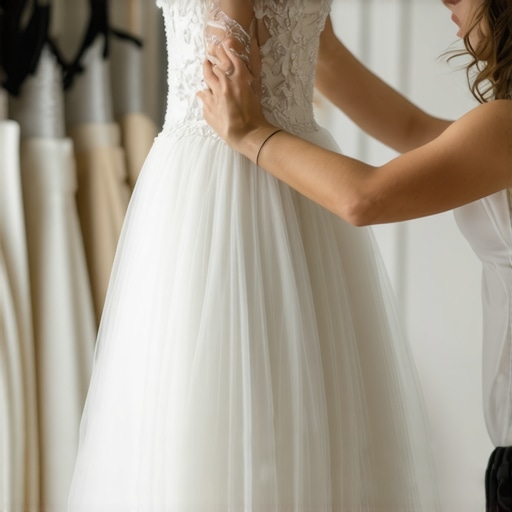
I’ll never forget the sinking feeling I had after realizing I had ruined my grandmother’s vintage wedding gown. That once-pristine fabric was tarnished and stained because I thought I could skip the professional cleaning process. It was a lightbulb moment—one that made me dive deep into the world of wedding dress preservation. If you’re like I was, worried about keeping your gown perfect for decades, you’re in the right place. Today, I promise to share the secrets that keep Tampa brides’ dresses looking stunning long after their special day.
Why Your Wedding Dress Deserves Special Care in Tampa
Living in Tampa offers gorgeous weather, but it also means your wedding dress is exposed to humidity, heat, and potential stains. Without proper care, even the most beautiful gown can develop yellowing, fabric deterioration, or stubborn stains. I’ve learned that professional cleaning isn’t just a luxury; it’s an essential step in preserving your gown’s beauty. As noted by experts, improper handling can cause irreversible damage—something I learned the hard way early in my journey. If you want your dress to look flawless for future generations or just for a keepsake, understanding the right cleaning and preservation methods is crucial.
Is Wedding Dress Preservation Really Worth It?
When I first considered preservation, I doubted whether it was worth the expense. I thought a simple dry cleaning would suffice. But I made the mistake of trying to do it myself, and the results were disastrous—stains set in, and fabric color faded. A professional service in Tampa, like those detailed in vintage bridal gown cleaning and preserving experts, can prevent that from happening. They use specialized techniques and eco-friendly products that gently remove stains and protect delicate fabrics. Trust me, investing in proper care is the best decision you can make for your gown’s long-term beauty.
Start with a Professional Cleaning
My first mistake was trying to clean my wedding dress myself after the wedding, which led to stubborn stains setting in. To avoid this, always entrust your gown to experts in Tampa who specialize in vintage bridal gown cleaning and preserving. They use gentle, eco-friendly products designed specifically for delicate fabrics, ensuring your dress is cleaned without damage. When I finally took my gown to a professional, I saw a remarkable difference—the stains disappeared, and the fabric’s color was preserved. This step is crucial to maintain your dress’s beauty and value over time.
Handle with Care During Transport
Transport your gown carefully, using a breathable garment bag to prevent dust and dirt. When I moved my dress from the wedding venue to the preservation location, I rolled it gently instead of folding it, which minimized creases. Think of your gown as a fragile treasure—treat it like fine china. Proper packaging prevents fabric distortion and stains from setting during transit.
Choose the Right Preservation Method
For long-term storage, consider mounting your dress in a museum-quality preservation box. This keeps the gown protected from humidity, light, and pests. I learned that storing in a dark, cool environment prevents yellowing and fabric deterioration. Using acid-free tissue paper to support the dress prevents creases and fabric stress, much like how a custom mold preserves a sculpture’s shape. Check out museum-quality preservation tips for detailed guidance.
Protect Delicate Fabrics
Delicate fabrics like lace and satin require special attention. I once stored a lace overlay improperly, which caused snags and tears. To avoid this, always use acid-free tissue to support lace and tulle, and avoid folding seams tightly. Think of it as providing a gentle cradle that supports the fabric’s fibers and prevents damage.
Maintain Proper Storage Conditions
Keep your gown in a climate-controlled environment, avoiding attics or basements prone to humidity or temperature fluctuations. I kept my dress in a closet with a dehumidifier, which greatly slowed down any fabric aging. Remember, humidity causes mold and yellowing, so controlling moisture is vital. Additionally, avoid exposing the gown to direct sunlight, which fades colors and weakens fibers over time.
Regular Inspection and Maintenance
Periodically check your dress for signs of deterioration, pests, or discoloration. I once discovered a small moth hole during an inspection, which I immediately addressed with a professional repair. Regular care ensures your dress remains in pristine condition for decades. If you need expert advice, services like same-day cleaning in Tampa can help with urgent issues.
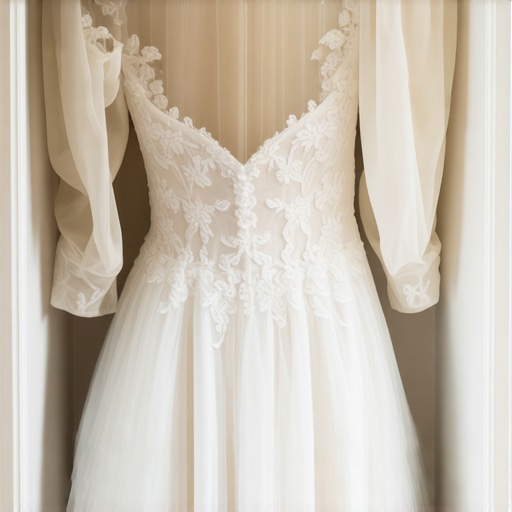
Many Tampa brides believe they can cut corners when it comes to preserving their wedding gown, but this is a dangerous misconception. One of the most widespread myths is that a simple DIY approach or regular dry cleaning is enough to ensure long-term preservation. In reality, professional preservation involves nuanced techniques tailored specifically for delicate fabrics like lace, satin, and silk, which are often used in wedding gowns. For example, expert services such as those detailed in vintage bridal gown cleaning and preserving employ museum-quality methods that prevent yellowing, fabric deterioration, and stain set-in over time.
Another misconception is that all cleaning methods are equal. Many assume that dry cleaning alone, especially if done cheaply or with generic solvents, suffices. However, improper cleaning can actually accelerate fabric aging and damage intricate details like beadwork or embroidery. Professional cleaners in Tampa use eco-friendly and gentle products that are specifically designed for vintage and delicate fabrics, ensuring your gown’s beauty is maintained for decades. For more insights on eco-conscious preservation, check out eco-friendly wedding dress care.
Are You Falling for the Preservation Trap
One common trap is storing your gown improperly after cleaning. Many brides think that a quick fold and shove into a box will do. This can cause fabric stress, creases, and even mold growth if humidity is high. The correct approach involves wrapping the gown in acid-free tissue paper and storing it in a climate-controlled environment. Failing to do this can lead to irreversible damage, which is why professional storage solutions, like museum-quality boxes, are recommended. Regular inspections are also vital; I once overlooked a tiny moth hole, which led to more extensive damage later. Regular check-ups can catch issues early and save you from costly repairs.
Advanced preservation requires understanding the nuances of fabric types and environmental controls. For example, lace and tulle are more fragile and require gentle support and specific storage conditions to prevent tears or snags. Additionally, the misconception that preservation is only necessary immediately after the wedding is false; your gown can benefit from ongoing care, especially if stored properly. For detailed tips, see museum-quality preservation tips.
Have you ever fallen into this trap? Let me know in the comments. Remember, a little extra effort today ensures your gown remains a cherished keepsake for generations to come.
Invest in Precision Equipment for Reliable Results
When it comes to maintaining your wedding gown over the years, investing in quality tools can make all the difference. I personally rely on a high-grade steamer, like the Jiffy Esteam, which allows me to gently remove wrinkles without risking fabric damage. Unlike traditional irons, steamers provide a uniform heat that relaxes fibers and refreshes delicate fabrics like lace and silk, ensuring your gown remains pristine without the risk of scorching or creating new creases. Additionally, using acid-free tissue paper is crucial for supporting intricate lace and tulle layers during storage, preventing creases and tears that can develop over time. These supplies, available from specialty preservation suppliers, are essential for anyone serious about long-term care.
Master the Art of Gentle Cleaning Techniques
Professional cleaning methods have evolved significantly, emphasizing eco-friendly and fabric-safe solutions. I personally recommend using ultrasonic cleaning devices for certain delicate components, such as beaded embellishments or embroidery. These machines use high-frequency sound waves to loosen dirt and stains without abrasion, unlike traditional dry cleaning solvents that can sometimes cause discoloration. The vintage bridal gown cleaning and preserving experts in Tampa utilize ultrasonic technology to achieve meticulous cleanliness, preserving the intricate details of your dress while safeguarding its fabric integrity. As technology advances, such tools are becoming more accessible and are likely to set new standards in preservation practices.
Implement Consistent Maintenance Habits
Long-term preservation isn’t just about initial cleaning; it requires ongoing care. Regularly inspecting your gown for signs of pests, discoloration, or fabric stress is key. I set a reminder every six months to examine my stored dresses, gently refolding and re-wrapping them with acid-free tissue to prevent creasing and stress points. Using a dehumidifier in the storage area helps control moisture levels, which is vital for avoiding mold and yellowing. Moreover, considering climate-controlled storage options, much like those used by museums, offers optimal conditions for fabric longevity. These habits ensure your gown stays beautiful and can be passed down through generations without losing its charm.
How do I maintain my wedding dress over time?
Maintaining your wedding gown over the years involves a combination of proper storage, gentle cleaning, and regular inspections. Invest in tools like ultrasonic cleaners and acid-free tissue to support delicate fabrics. Schedule periodic check-ups and store your dress in a climate-controlled environment to prevent damage from humidity and pests. By doing so, you’ll preserve your gown’s beauty and value for decades to come. Remember, the right tools and consistent care are your best allies in this journey. For expert advice and advanced preservation techniques, visit vintage bridal gown cleaning and preserving experts and start implementing these methods today!
The Hardest Lesson I Learned About Wedding Dress Care
I once thought that a quick dry cleaning was enough to preserve my wedding gown, but I learned the hard way that delicate fabrics like lace and satin require specialized techniques. This realization pushed me to seek expert advice and invest in museum-quality preservation methods that truly protect the gown from yellowing and fabric deterioration.
My Eye-Opening Experience With DIY Cleaning
Attempting to clean my dress myself resulted in stubborn stains setting in, which was heartbreaking. I discovered that professional services in Tampa utilize gentle, eco-friendly products and ultrasonic cleaning technology that gently removes dirt without damaging intricate details. This taught me that entrusting your gown to specialists ensures its beauty lasts for decades.
The Mistake That Could Cost You Everything
Storing your gown improperly can cause irreversible damage. I learned the importance of wrapping the dress in acid-free tissue and storing it in a climate-controlled environment. Regular inspections can catch issues early, saving money and preserving memories for future generations.
What I Wish I Knew Before Starting
Understanding the nuances of fabric types and environmental controls was a game-changer. For lace and tulle, gentle support and specific storage conditions are essential. Continuous care, such as periodic re-wrapping and checking for pests, can keep your gown looking flawless over time. Explore expert tips to master long-term preservation on museum-quality preservation methods.