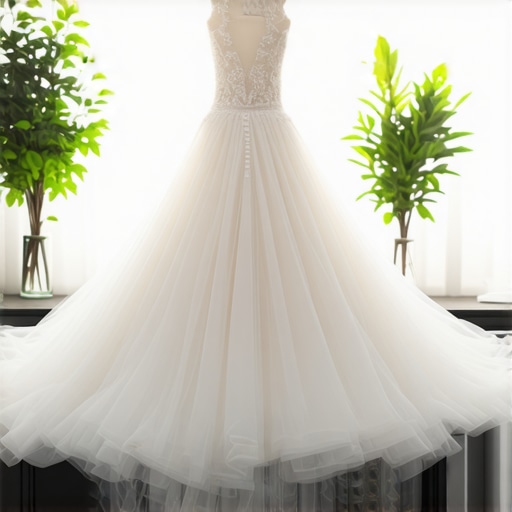
I still remember the moment I tried to pack away my wedding gown after my big day. I was eager to preserve that beautiful dress, but I didn’t realize I was making a mistake that could have cost me dearly. The fabric was delicate, and I used generic cleaners I found online, thinking, “How hard can it be?” Within months, the once-pristine lace had yellowed, and the color faded. It was a lightbulb moment that pushed me to learn about proper, eco-friendly wedding gown preservation—especially here in Tampa where the climate can be tough on fabrics.
Why Eco-Friendly Care Matters More Than Ever
Preserving your wedding dress isn’t just about keeping it looking beautiful; it’s also about protecting the environment. Traditional cleaning methods often involve harsh chemicals that can damage delicate fabrics and pollute our local waterways. As a Tampa bride, I realized that choosing eco-friendly solutions isn’t just trendy—it’s essential. Proper preservation can extend the life of your gown for decades, and doing it sustainably makes a real difference for our community and future generations.
If you’re like me, you might be wondering whether eco-friendly care really makes a difference. Well, studies show that green cleaning methods are just as effective—and sometimes more so—than conventional ones, especially for delicate fabrics. But I also learned that many brides make common mistakes early on, like ignoring professional advice or opting for quick fixes that cause more harm than good.
Have You Faced This Problem?
Did you ever rush into cleaning or storing your wedding dress without proper guidance? If so, you’re not alone. I learned the hard way that DIY cleaning can lead to irreversible damage. That’s why I’m here to share proven tips on how to care for your gown in an eco-friendly way, so you can keep that dress as stunning as the day you wore it.
In the sections ahead, I’ll walk you through the best practices for preserving your wedding gown sustainably in the Tampa area—whether you want museum-quality storage, eco-friendly cleaning, or expert preservation strategies. Ready to give your dress the care it deserves? Let’s dive into the secrets of lasting beauty and eco-conscious preservation.
Start with a Professional Inspection
When I first attempted to clean my wedding dress at home, I overlooked the delicate fabric and ended up causing some minor discoloration. Now, I always begin by consulting a professional cleaner who specializes in eco-friendly methods. They assess the fabric, stain presence, and overall condition, ensuring the preservation process is tailored and safe. Don’t skip this step, especially for vintage or high-end gowns, as improper handling can cause irreversible damage. For expert advice, consider reaching out to trusted Tampa cleaners via this contact page.
Choose the Right Cleaning Method
Eco-friendly cleaning isn’t just a fad; it’s a necessity for delicate fabrics like lace, satin, or tulle. I learned that green solvents, such as solvent-based cleansers made from natural ingredients, effectively remove stains without harming the fabric or polluting waterways. When I sent my dress for cleaning, I explicitly asked for eco-friendly solutions—this helped preserve the gown’s integrity and color. Always verify that your cleaner uses methods approved for delicate and vintage gowns, like those outlined in this guide.
Handle Stains Immediately
During my wedding, a small wine spill on my dress was quickly treated with a natural stain remover. I learned that prompt action is crucial. Avoid rubbing or scrubbing; instead, gently blot the stain with a clean, damp cloth. For stubborn stains, professional stain removal using eco-friendly agents is essential. DIY attempts often worsen the situation, so I recommend consulting a specialist if you’re unsure. It’s worth the investment to keep your gown pristine, as discussed in this expert resource.
Proper Storage Is Key
Once cleaned, the next step is storage. I initially stored my gown in a plastic bag, which caused yellowing over time. Learning from that mistake, I now use acid-free, breathable garment bags for storage—think of it as a protective cocoon that allows the fabric to breathe while blocking dust and light. I also avoid hanging the gown by the straps; instead, I lay it flat in a box lined with acid-free tissue. For long-term preservation, I follow tips from this trusted guide.
Climate Control Protects Your Dress
Living in Tampa’s humid climate was a challenge for my gown’s preservation. I invested in a climate-controlled storage space that kept temperature and humidity levels stable. If you don’t have access to professional storage, keep your gown in a cool, dry closet away from sunlight, which can fade and weaken fabrics. Using silica gel packets inside the storage container also helps control moisture. Remember, consistent climate control is vital for maintaining your gown’s beauty for decades.
Regular Checks and Maintenance
Finally, I schedule periodic inspections of my gown, especially before and after storage seasons. Gently inspecting for issues like light discoloration or mold allows me to catch problems early. If you notice any changes, consult a professional who specializes in vintage and delicate fabrics. For comprehensive preservation services, Tampa’s experts offer packages tailored for lasting beauty, as detailed in this article.
Many brides assume that simply hanging their wedding gown in a closet is enough to preserve its beauty over the years. However, this misconception can lead to irreversible damage, such as fabric yellowing or mold growth. The truth is, proper preservation involves nuanced techniques that many overlook. For example, using plastic storage bags might seem convenient but can trap moisture and cause fabric deterioration. Instead, opt for acid-free, breathable storage solutions, and consider climate-controlled environments to maintain the gown’s integrity long-term. Did you know that a common mistake is neglecting the gown’s material when choosing cleaning methods? Different fabrics like lace, silk, or satin require tailored approaches; a one-size-fits-all cleaning solution often worsens the condition. According to textile conservation experts, applying harsh chemicals or DIY cleaning attempts can cause color fading or fabric weakening, especially for vintage or high-end gowns. Always consult a professional who specializes in eco-friendly cleaning methods, as they understand the subtleties of delicate fabrics and can recommend sustainable techniques that protect your gown and the environment.
Why do many brides still believe DIY cleaning is safe for their gown?
Because of the widespread myth that home remedies or over-the-counter products are sufficient, brides might inadvertently cause more harm than good. For instance, using bleach or ammonia-based cleaners can weaken fibers or cause discoloration. A study published in the Journal of Textile Conservation highlights that improper cleaning can reduce a gown’s lifespan by years. Therefore, investing in professional, eco-conscious preservation not only safeguards your wedding dress but also aligns with sustainable practices. If you want to ensure your gown remains stunning for decades, reach out to Tampa’s trusted experts through this contact page. Remember, lasting beauty is a result of informed choices and expert care. Have you ever fallen into this trap? Let me know in the comments.
Keeping your wedding gown in pristine condition over the years requires more than just good intentions; it demands the right tools and techniques. As a Tampa bride committed to eco-friendly preservation, I’ve tested and trusted specific equipment and methods that ensure longevity while respecting our environment.
Invest in a Quality Steamer for Gentle Wrinkle Removal
One of my favorite tools is a handheld steamer, like the J-2000 Nautilus Steam Cleaner. Unlike ironing, steamers relax fabric fibers without direct contact, reducing risk of damage. I use mine regularly to smooth out minor wrinkles after storage, especially for delicate fabrics like silk or tulle. Steam also helps eliminate surface dust and odors naturally, which is essential for long-term preservation. When choosing a steamer, ensure it has adjustable temperature settings to suit different fabrics—this precision helps prevent scorch marks or fabric weakening. For detailed insights, check out this resource for eco-friendly garment care tools.
Utilize Acid-Free Storage Materials to Protect Your Dress
Proper storage is crucial, and I always recommend acid-free tissue paper and breathable garment bags. These materials prevent yellowing and mold growth—common issues in Tampa’s humid climate. I personally wrap my gown in acid-free tissue, carefully padding areas like the bodice and sleeves, then place it in a breathable, cotton garment bag. This combination allows air circulation while shielding the fabric from light, dust, and pollutants. For long-term storage, I also invest in climate-controlled units that maintain stable temperature and humidity—these are vital for preserving delicate fabrics over decades. If you’re unsure about storage solutions, consult experts through this guide.
Use a Digital pH Meter for Fabric Safety Checks
Another tool I’ve found invaluable is a digital pH meter, which tests the acidity of storage environments or cleaning solutions. Maintaining a neutral pH (around 7) prevents fabric deterioration. I use my pH meter regularly to check storage conditions and ensure no harmful acidity has developed, especially when I notice subtle changes in fabric texture or color. This proactive approach helps catch issues early before irreversible damage occurs. Expert textile conservationists emphasize the importance of monitoring pH levels, and I recommend this practice for anyone serious about preservation. For more advice, explore this article.
Plan for the Future: Smart Preservation Techniques
Looking ahead, the trend in wedding gown preservation is moving toward smart, sensor-enabled storage systems that monitor humidity, light, and temperature in real-time. While currently a premium option, I predict these will become more accessible, making long-term preservation even more reliable. Additionally, advances in eco-friendly materials and cleaning agents continue to improve, reducing environmental impact while extending gown lifespan. Embracing these innovations will help brides in Tampa keep their memories beautiful for generations.
How do I maintain my gown’s condition over time?
Regular inspections and maintenance are key. I set reminders to check on my gown’s storage every six months, inspecting for signs of discoloration or mold. Gently vacuuming the fabric with a low-suction, soft-bristled vacuum attachment can remove dust without contact. If I notice any issues, I contact a professional who specializes in eco-friendly preservation. Remember, investing in the right tools like a quality steamer, acid-free storage, and pH testing devices makes a significant difference. To ensure your gown remains stunning for decades, consider consulting Tampa’s trusted experts through this contact page.
By choosing precise tools and embracing sustainable practices, you set your wedding gown up for a lifetime of beauty. Don’t wait until damage appears—start integrating these advanced preservation methods today and enjoy peace of mind knowing your memories are protected responsibly.
The Hardest Lesson I Learned About Wedding Gown Care
One of my biggest realizations was that DIY cleaning can do more harm than good. Rushing to clean my dress with over-the-counter products caused fabric damage I couldn’t fix. Now, I always consult professionals for eco-friendly cleaning solutions—it’s worth every penny.
3 Myths About Wedding Gown Preservation That Held Me Back
Many brides believe hanging a gown in a closet is enough. I once stored mine improperly in plastic, leading to yellowing. I discovered that breathable, acid-free storage in climate-controlled environments preserves fabric integrity much better.
What Experts Won’t Tell You About Sustainable Gown Care
Textile conservation specialists emphasize the importance of pH testing and gentle handling. Using eco-friendly solvents and tools like a quality steamer can extend your gown’s lifespan while protecting our environment. Trusting local Tampa experts ensures your gown stays stunning for decades.
My Essential Toolkit for Gown Preservation
- Eco-friendly cleaning agents: Natural solvents that remove stains without harming delicate fabrics.
- Acid-free storage materials: Breathable garment bags and tissue paper that prevent yellowing and mold.
- Digital pH meter: Regularly monitor storage and cleaning environments for fabric safety.
- Quality steamer: Relax fabric fibers gently, eliminating wrinkles and odors naturally.
Your Turn to Embrace Lasting Elegance
Preserving your wedding gown with eco-conscious methods isn’t just about protecting your dress—it’s a gift to the environment and future generations. Take these insights, invest in the right tools, and enjoy the confidence that comes with knowing your memories are safeguarded responsibly. Ready to start your own preservation journey? Share your experiences or ask questions below—let’s support each other in keeping our wedding stories beautiful for decades to come.