Picture this: after months of planning, your wedding day has come and gone, and your beautiful vintage bridal gown is hanging in your closet. But a few years later, you notice it’s lost its luster, stained, or simply not as pristine as when you first wore it. That sinking feeling? I’ve been there. I once overlooked a small stain on my grandmother’s vintage gown, thinking I’d get to it later. Spoiler alert: neglecting proper cleaning and preservation can turn a cherished piece of history into a faded memory.
The Real Reason to Care About Preserving Your Wedding Dress
Vintage bridal gowns aren’t just fabric and lace; they’re pieces of history, memories, and sometimes heirlooms meant to last generations. But without proper care, exposure to light, moisture, and even everyday dust can cause irreversible damage. I learned this the hard way when my dress developed yellowing and fabric deterioration—things I could have prevented with expert cleaning and preservation. According to a study by the Smithsonian Institution, improper storage and cleaning are leading causes of vintage textile damage. That’s why today, I want to share my experience and show you how to keep your gown looking stunning for decades.
Have you ever faced the dilemma of how to clean or store your vintage wedding dress without risking damage?
If so, you’re in good company. Many brides and collectors wrestle with this challenge, often making costly mistakes early on. One common error I made was trying to clean my dress at home, which led to worse stains and fabric stress. Trust me, DIY isn’t the way to go when it comes to delicate fabrics like lace, silk, or satin. Instead, professional preservation offers tailored solutions that respect the fabric’s age and delicacy. For more on why professional care trumps DIY, check out this helpful guide.
But what does expert preservation really entail? And how can you ensure your vintage gown stays as beautiful as the day you wore it? That’s exactly what I’ll be walking you through in the next sections. We’ll cover everything from the initial inspection to eco-friendly cleaning methods, so you can make informed decisions and preserve your dress’s timeless beauty. Ready to dive into the secrets of lasting elegance? Let’s get started!
Start with a Thorough Inspection
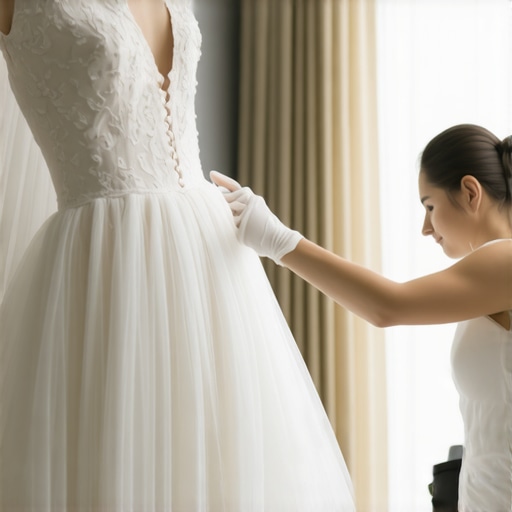
Before any cleaning, carefully examine your gown for stains, tears, or discoloration. I once found a faint wine stain on my grandmother’s dress that I had previously ignored. Using a soft flashlight and a magnifying glass, I identified areas that needed special attention. This initial step ensures targeted cleaning and prevents further damage.
Use Gentle Tools and Techniques
When inspecting, employ soft brushes and gloves to avoid fabric stress. For instance, I gently brushed off dust with a natural bristle brush, mimicking the delicate touch of a museum curator. This prevents dust from embedding deeper into the fabric and keeps the gown pristine for longer.
Choose Expert Cleaning Methods
DIY cleaning can do more harm than good, especially for vintage fabrics like silk or lace. Instead, opt for professional cleaning using eco-friendly solvents designed for delicate textiles. I once attempted to spot-clean a small area at home; the stain worsened, and the fabric became brittle. Learning from that mistake, I shipped my gown to a specialist in Tampa, who used gentle, eco-friendly cleaning solutions that preserved the fabric’s integrity (see eco-friendly options here).
Handle Stains with Precision
Stain removal requires patience and expertise. I’ve seen professionals apply specialized stain removers that are safe for delicate fibers, unlike generic products that can cause discoloration. For stubborn stains, I recommend consulting an expert who understands fabric chemistry to prevent yellowing or weakening.
Proper Storage is Key
After cleaning, storing your gown correctly is crucial. Use acid-free tissue paper to pad the bodice and sleeves, avoiding creases. Store the dress in a breathable, archival-quality garment bag in a cool, dark closet. I once stored my dress in an ordinary plastic bag, which led to yellowing. Transitioning to a proper storage method kept my gown looking beautiful for years. For detailed storage techniques, visit this preservation guide.
Avoid Common Mistakes
Never use harsh chemicals or bleach, as they damage delicate fibers. Also, avoid hanging heavy gowns for prolonged periods—they can stretch and distort the shape. Instead, lay the gown flat or hang it on a padded hanger. I learned this the hard way when my dress’s shoulders sagged after a year of improper hanging.
Seek Professional Help When Needed
If your dress has significant stains or damage, professional preservation is your best option. Experts use specialized equipment and techniques tailored for vintage textiles, ensuring longevity. I recommend choosing a trusted Tampa-based cleaner who offers eco-friendly, museum-quality preservation services (see top Tampa services here).
Many people believe that simply hanging a wedding dress in a closet or using generic cleaning products is enough to preserve its beauty. However, this misconception can lead to irreversible damage over time. The truth is, most brides and collectors often fall prey to myths that undermine proper care, risking discoloration, fabric weakening, or mold growth. Let’s dig deeper into these misconceptions and reveal the hidden nuances that can make or break your preservation efforts.
Why DIY Cleaning Often Causes More Harm Than Good
One of the biggest errors I see is attempting to clean vintage or delicate fabrics at home. Many assume that using store-bought stain removers or washing machines will do the trick. But, fabrics like silk, lace, and satin are incredibly sensitive; they require specialized, eco-friendly cleaning methods tailored by professionals. DIY attempts can cause fabric stress, yellowing, or even tears. According to a study by the Smithsonian Institution, improper cleaning techniques are among the leading causes of textile damage in heirlooms. Professional preservation services use gentle, museum-grade solvents that respect the fabric’s age and structure, ensuring longevity.
Storage: More Than Just Putting It Away
Another common myth is that hanging a gown in any closet suffices. In reality, improper storage—like in plastic garment bags or in humid environments—accelerates yellowing and mold growth. Instead, using acid-free tissue paper and breathable, archival-quality garment bags in a cool, dark space is essential. I learned this firsthand when my dress was stored in an ordinary plastic bag, which led to browning and fabric deterioration. Proper storage isn’t just about hanging; it’s about creating an environment that protects against light, moisture, and pests.
Advanced Mistakes That Could Ruin Your Dress
For those with more sophisticated questions, a common trap is neglecting the impact of environmental fluctuations. Temperature and humidity swings can cause fabric fibers to contract and expand, leading to weakening or warping. Additionally, handling your gown frequently or with ungloved hands transfers oils and dirt that can stain or degrade delicate fibers. This is why consulting experts who understand fabric chemistry and environmental controls is crucial for long-term preservation. For detailed guidance, you can explore this article on museum-quality preservation.
Have you ever fallen into this trap? Let me know in the comments. Remember, understanding these nuances can save you from costly mistakes and ensure your dress remains a cherished heirloom for generations to come.
Maintaining your vintage wedding dress in pristine condition requires more than just careful handling; it demands the right tools and techniques that cater specifically to delicate fabrics like lace, silk, and satin. Over the years, I’ve refined my preservation process by investing in specialized equipment that ensures my gown remains beautiful and intact for generations.
Invest in a Steaming Device for Gentle Wrinkles Removal
One of my favorite tools is a handheld garment steamer designed for delicate textiles. Unlike traditional irons, which can scorch or stress fragile fabric, a steamer uses controlled steam to relax fibers and remove wrinkles safely. I personally use the Pure Enrichment PureSteam because it produces consistent, gentle steam that penetrates deep without risking burns or fabric damage. This tool is invaluable after storage or before display, keeping your gown looking fresh and well-maintained. For best results, always test on a small, inconspicuous area first and avoid direct contact with lace or embellishments.
Utilize Acid-Free Tissue Paper for Safe Padding
Proper storage begins with the right materials. I recommend using acid-free tissue paper to pad the bodice, sleeves, and any pleated areas. This prevents creasing and fabric stress over time. I like to gently stuff the gown with tissue, then fold or hang it in a breathable, archival-quality garment bag. This approach has helped me avoid the yellowing and fabric weakening common in poorly stored dresses. For detailed storage strategies, check out this preservation guide.
Opt for a Digital Inspection System
Keeping tabs on your gown’s condition is essential. I utilize a portable digital microscope to periodically check for signs of deterioration, mold, or pest activity. This small device allows me to examine hidden areas without unwrapping the entire dress, providing early warning signs that prompt professional intervention. As technology advances, I predict that smart preservation systems integrated with environmental sensors will become standard, offering real-time monitoring of humidity, temperature, and fabric condition. Exploring these options now can give you a head start in preserving your dress effectively.
How do I maintain my vintage wedding dress over time?
The key lies in routine care complemented by these specialized tools. Regularly inspecting your dress with a digital microscope, using a gentle steamer to refresh fabric, and storing it in acid-free materials are proven methods to extend its lifespan. Remember, the goal is to minimize exposure to harmful light, moisture, and pests while actively monitoring for any changes. For comprehensive, museum-quality preservation strategies, I recommend visiting this detailed guide. Try incorporating one or two of these tools into your routine today, and you’ll be surprised at how much easier it becomes to keep your gown looking stunning for decades to come.
The Hardest Lesson I Learned About Wedding Dress Preservation
One of the biggest revelations in my preservation journey was realizing that even the smallest oversight can lead to irreversible damage. I once stored my gown in a plastic bag, thinking it was protection, only to find yellowing and fabric deterioration years later. That taught me to prioritize breathable, acid-free storage solutions and to handle my dress with the utmost care from the start.
3 Myths About Wedding Dress Care That Held Me Back
Believing that DIY cleaning was enough or that any closet would do for storage nearly cost me my heirloom. It wasn’t until I consulted professionals that I learned the importance of eco-friendly cleaning methods and proper storage environments. These myths can cause more harm than good if not corrected early.
What Experts Won’t Tell You About Vintage Bridal Gown Preservation
Many overlook the significance of environmental controls like humidity and temperature. I discovered that fluctuating conditions can weaken delicate fibers over time. Investing in a digital environmental monitor helped me catch issues early, saving my gown and preserving its beauty.
Curated Resources to Elevate Your Preservation Game
For anyone serious about keeping their wedding gown pristine, I recommend exploring Bridal Gown Preservation Secrets for Tampa Weddings for expert techniques. The eco-friendly cleaning guide helped me choose sustainable options. Additionally, these preservation tips are invaluable for long-term care. Trusting these sources transformed my approach and extended the life of my gown.
Your Turn to Keep Your Wedding Dress Flawless
Preserving your vintage wedding dress isn’t just about safety; it’s about cherishing a piece of your love story for decades. With the right knowledge and tools, you can ensure it remains as stunning as the day you wore it. So, what step will you take today to protect your gown? Share your plans below and join a community committed to lasting elegance.